
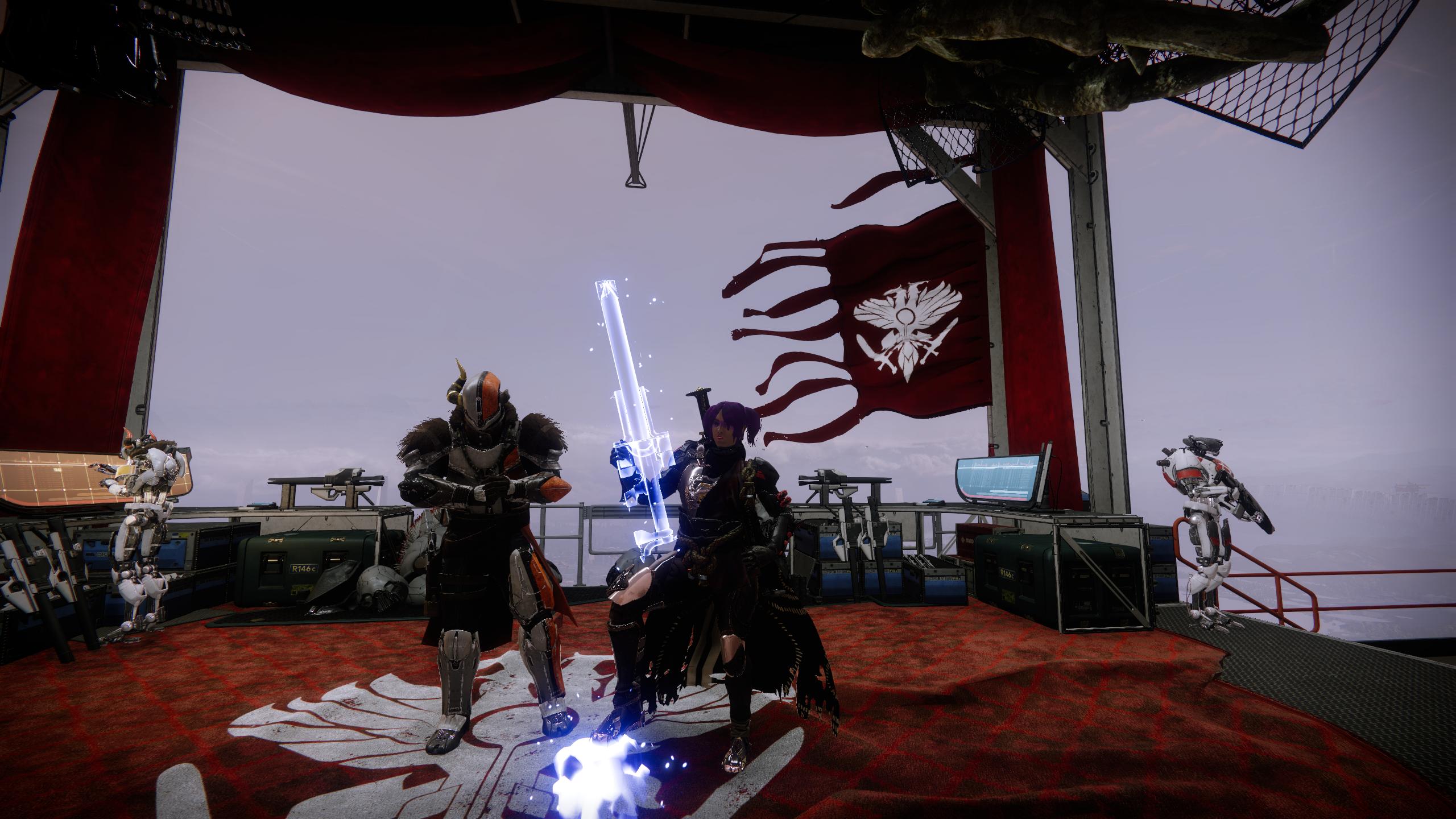
Meta changes in Destiny 2 are a constant force shaping the game’s PvP experience. With each season, sandbox updates, new weapon introductions, and balance patches shift the dynamics of the Crucible, Trials of Osiris, and competitive playlists. While these changes keep the game fresh, they also spark debates, influence playstyles, and redefine what it means to be competitive in the game’s vibrant PvP community.
This article explores how these meta changes affect players, alter strategies, and shape the broader community, highlighting the pros and cons of Bungie’s ever-evolving approach.
The Role of Meta in PvP
The “meta” refers to the most effective tools, strategies, and playstyles available in Destiny 2. It’s influenced by a combination of weapon balance, subclass tuning, and new content releases. Players naturally gravitate toward the most powerful options, creating dominant trends in the Crucible. For instance, pulse rifles like *No Time to Explain* and hand cannons like *Ace of Spades* often define mid-range engagements due to their consistent performance and versatility.

Meta changes occur when Bungie introduces updates that nerf or buff certain weapons, abilities, or mechanics. These adjustments aim to balance gameplay, addressing complaints about overpowered tools while giving underused options a chance to shine. However, the ripple effect of these changes can dramatically alter the PvP landscape, requiring players to adapt and rethink their strategies.
The Positive Effects of Meta Changes
One of the primary benefits of meta changes is variety. By shaking up the status quo, Bungie encourages players to experiment with new weapons and builds. This creates opportunities for innovation, as players discover effective strategies that were previously overlooked. For example, the reintroduction of *Le Monarque* as a viable PvP option following buffs to poison damage shifted attention toward bow-centric playstyles.

Meta changes also prevent stagnation. Without regular updates, the Crucible could become dominated by a narrow set of weapons and tactics, making gameplay predictable and less enjoyable. Seasonal changes keep the experience dynamic, ensuring that players remain engaged and motivated to explore the evolving sandbox.
Additionally, these updates foster inclusivity by giving less popular subclasses and weapons a chance to shine. For instance, buffs to Arc subclasses in recent seasons elevated their presence in PvP, allowing players who enjoy mobility and high-impact abilities to compete more effectively against dominant Void or Solar builds.
The Challenges Meta Changes Create
While meta changes bring variety, they can also create frustration within the community. Sudden nerfs to popular weapons or abilities can leave players feeling that their hard-earned gear has been devalued. For example, when *Felwinter’s Lie*, a dominant shotgun, received substantial nerfs, many players struggled to find an equivalent replacement for their playstyle.

Frequent shifts in the meta also demand constant adaptation, which can be overwhelming for casual players who lack the time to master new strategies. Competitive players often feel pressure to chase the meta, investing significant time and resources into acquiring and perfecting the latest powerful gear.
Another challenge arises when meta changes inadvertently create new imbalances. Buffing one weapon type too much or nerfing another too harshly can lead to dominance by a different set of tools, perpetuating a cycle of imbalance. This can polarize the community, with some players advocating for stability while others push for continuous experimentation.
The Community’s Role in Meta Evolution
The Destiny 2 PvP community plays a vital role in shaping the meta through feedback and engagement. Players’ discussions on forums, social media, and feedback channels often highlight issues that Bungie addresses in future patches. For example, community outcry about Stasis subclasses being overly oppressive in PvP led to significant adjustments that balanced their effectiveness without removing their unique identity.

Content creators also influence the meta by showcasing powerful builds, uncovering hidden synergies, and analyzing changes in real-time. This accelerates the adoption of new trends, as players emulate successful strategies shared by streamers and YouTubers. As a result, the community’s collective response often determines how quickly the meta evolves after major updates.
Conclusion
Meta changes are an integral part of Destiny 2’s PvP ecosystem, driving innovation and keeping gameplay dynamic. While these shifts can create challenges, such as the need for constant adaptation and the potential for imbalance, they also breathe new life into the Crucible, encouraging creativity and variety.
As the PvP community continues to adapt and engage with the evolving meta, the interplay between player feedback and Bungie’s updates will remain crucial. Embracing these changes with an open mind can lead to growth, both as a player and as part of the vibrant Destiny 2 community. In the ever-changing battlefield of the Crucible, adaptability is the ultimate weapon.
Back to the our Blog!