

Mastering map knowledge in Arc Raiders is a distinct cognitive progression path that provides the ultimate tactical advantage. In the Exclusion Zone, being lost is more than an inconvenience; it is a fatal liability. For players aiming to navigate through fog, escape ambushes, and find hidden loot without checking their mini-map, developing a landmark-based mental model forms a reliable framework for mastery. It is about understanding that the map is a collection of stories, not just a series of coordinates.
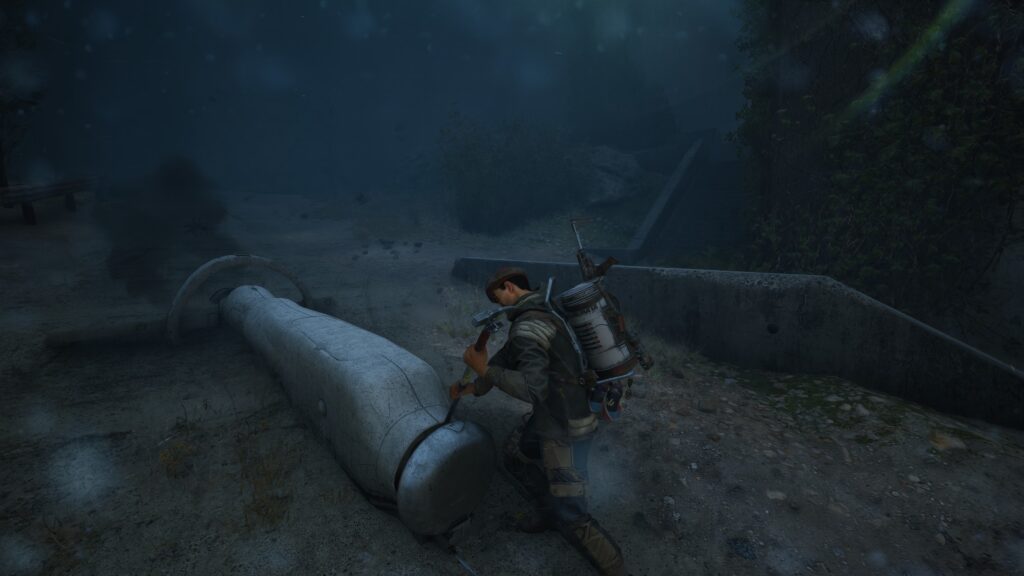
This guide examines how to approach spatial learning efficiently, focusing on the “anchor-landmark” technique, the logic of “sightline-chaining,” and the strategic importance of learning a map in “sectors” to ensure your navigation is fast, intuitive, and safe.
The Logic of Anchor-Landmark Navigation
The human brain is not designed to memorize abstract grids; it is designed to remember significant visual markers. A successful raider learns the map by identifying “Anchors”—major, visible landmarks like a towering refinery, a crashed ship, or a specific mountain peak. By knowing your position relative to these anchors, you always know your general direction. This is a deterministic method for building a 3D mental map that functions even when your HUD is disabled or you are in a high-stress retreat.
From these anchors, you build “Secondary Landmarks”—a specific rusted truck, a unique rock formation, or a colored building. You learn the “neighborhood” around each anchor. This hierarchical learning ensures that you never feel truly lost; even if you are in an unfamiliar alley, you can look up, see your Anchor, and instantly orient yourself. Mastery of this method turns the map from a confusing maze into a familiar territory where you can move with the confidence of a local.
Core Tactics: Sector Learning and Sightline Chaining
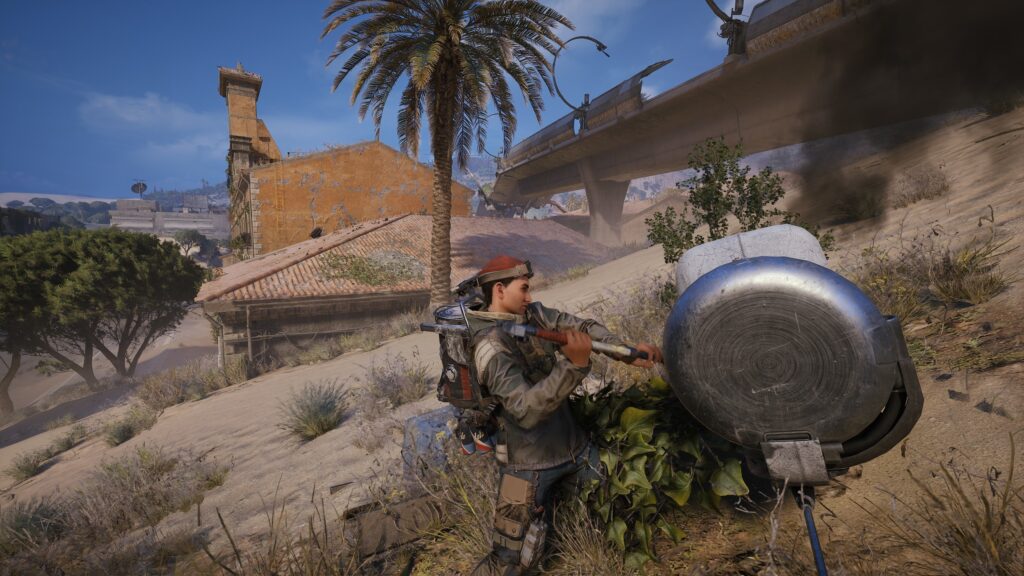
To internalize a massive map without being overwhelmed, you must utilize these specific learning habits:
- The Sector Method: Do not try to learn the whole map at once. Spend five raids exclusively in the “North Sector.” Learn every building and path in that area. Once you are comfortable there, expand to the “Central Sector.” This incremental approach builds a high-fidelity mental map sector by sector.
- Sightline Chaining: When moving between cover, identify your “next stop” visually. “From the truck, I can see the blue door; from the blue door, I can see the crane.” By chaining these visual links, you build a “route library” that you can navigate instinctively under fire.
- The “Reverse-Path” Check: Periodically look behind you during a raid. The map looks completely different from the opposite direction. Learning the “return route” is vital for successful extractions when you are being chased.
Using Sound to Supplement Visual Map Knowledge
A veteran’s map knowledge is not just visual; it is auditory. Every “sector” of the map has a unique sound profile. The wind whistles differently through the industrial canyons than it does across the open plains. Large machines create a persistent “thrum” that acts as a beacon. By associating these sounds with specific landmarks, you add a second layer to your mental map. This “auditory navigation” allows you to orient yourself even in total darkness or heavy fog, providing a level of situational awareness that most players never achieve.
You must also learn the “AI markers.” Certain enemy types always patrol specific areas. If you hear a Scrapper’s distinctive chitter, you know exactly which alleyway you are approaching. These environmental “breadcrumbs” are the hallmark of total map mastery. You stop looking at the compass and start “feeling” the map. This deep connection to the environment ensures that you are always the most efficient mover in the match, able to out-rotate opponents who are still struggling to read their mini-maps.
The “Dead Zone” and Extraction Awareness
The final stage of map learning is identifying “Dead Zones”—areas where you are inherently vulnerable due to lack of cover or limited exits. A master raider knows exactly where these are and avoids them or moves through them with maximum speed. They also know every “hidden” extraction path. Instead of following the main road to the ship, they know the tunnel under the factory or the ledge behind the waterfall. This knowledge is what ensures your survival during the endgame minutes when the main routes are being camped.

Integrating these landmark habits into your daily routine transforms the Exclusion Zone into your personal playground. You stop being a visitor and start being a resident. You know every shortcut, every power-position, and every escape route. This spatial authority is a massive tactical advantage; it allows you to concentrate 100% of your mental energy on combat and loot, because the “where am I?” question has already been answered. Mastery of the map is the foundation of becoming a legendary raider.
Conclusion: Spatial Authority as a Tool
Map knowledge rewards the observant and the methodical. By building a mental model based on visual anchors and sightline chaining, you eliminate navigation-based stress. Integrating these landmark habits into your routine ensures that you are always the most confident and efficient mover in the Exclusion Zone, providing a consistent path to survival through superior environmental mastery.