

Abandoned zones in Arc Raiders tell stories without dialogue or cutscenes. Empty structures, broken pathways, and scattered remnants hint at prior conflict, failure, or evacuation. These spaces shape player behavior by implying danger rather than stating it outright.
Survival improves when players read these environments not as empty space, but as evidence of what has already gone wrong.
Why Absence Carries Meaning
Abandoned zones are defined by what is missing. Lack of activity, silence, and decay suggest disruption rather than safety.
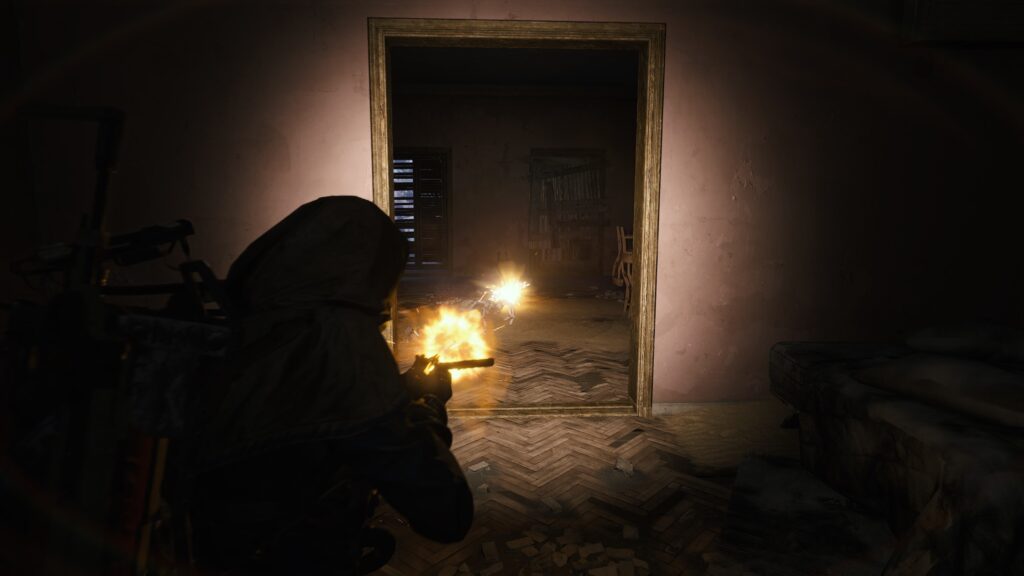
Players who interpret emptiness as opportunity often move too freely, assuming reduced threat. Survivors treat absence as information, recognizing that cleared or deserted areas may signal prior escalation or unresolved danger nearby.
Environmental Clues That Shape Caution
Visual details guide expectation. Collapsed cover, exposed supply points, and damaged terrain imply forced movement or hurried retreat.
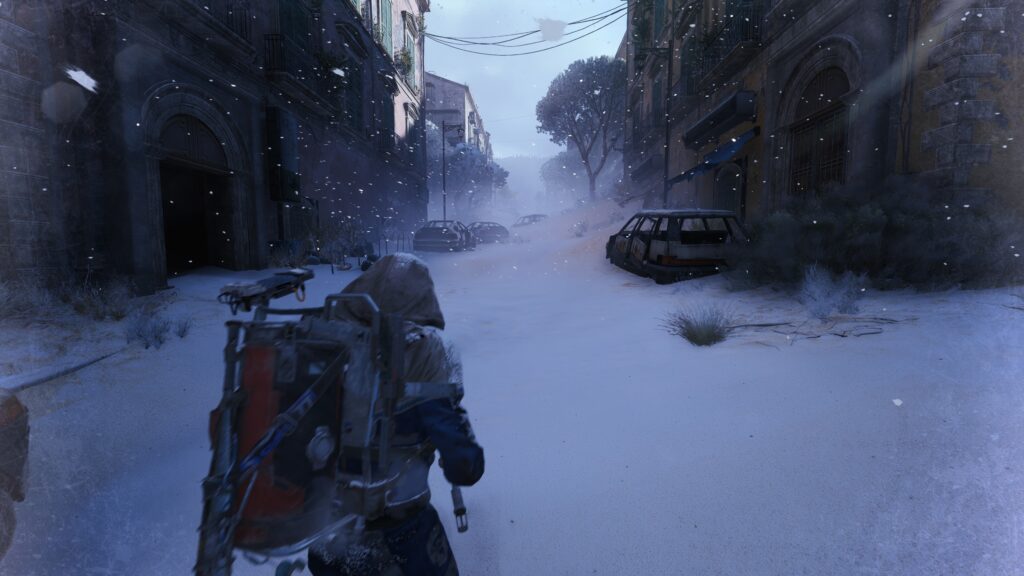
These cues hint at where pressure originated and how it spread. Survivors slow down in these zones, using the environment to anticipate patrol routes, ambush angles, or structural hazards that are not immediately visible.
Abandoned Space as Psychological Pressure
Empty zones alter pacing and mindset. Silence amplifies uncertainty, making players more sensitive to sound and movement. This heightened awareness can be an advantage or a liability. Survivors maintain discipline, resisting the urge to rush through discomfort. They allow unease to sharpen attention rather than trigger impatience.
Mistakes Players Make in Abandoned Areas
Certain assumptions repeatedly lead to failure.
- Assuming low activity means low risk
- Ignoring structural damage that limits escape
- Moving quickly to “get through” empty space
- Overlooking sound amplification in quiet zones
These mistakes misread silence as safety.
Why Reading the Environment Preserves Control
Players who read abandoned zones carefully regain narrative control. They infer what happened, adjust movement accordingly, and avoid repeating past failures embedded in the terrain. Survivors treat the environment as a record of consequences.
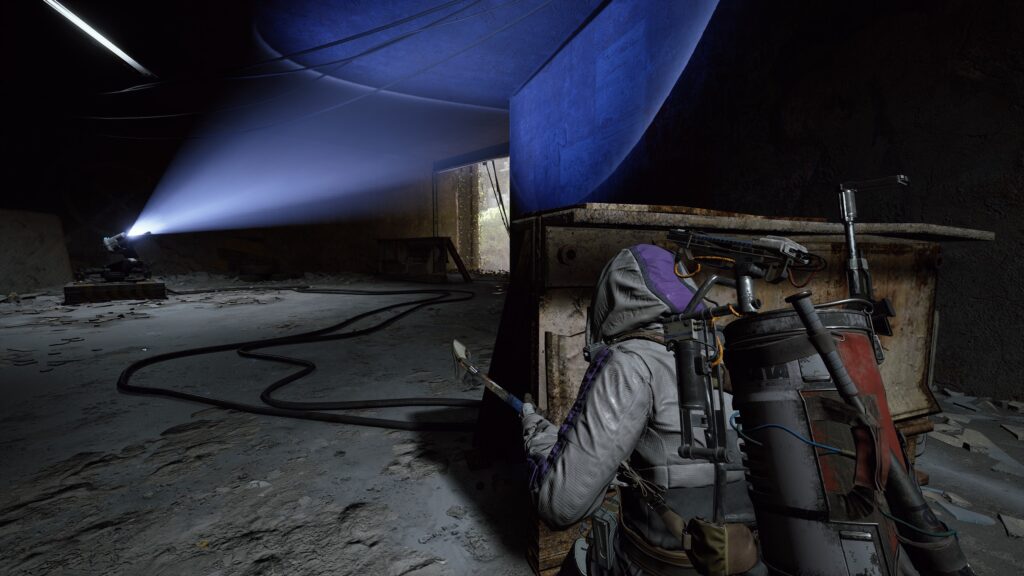
Understanding that record reduces surprise and stabilizes decision-making.
Conclusion
Environmental storytelling through abandoned zones in Arc Raiders shapes survival by communicating danger indirectly. Players who interpret absence, damage, and silence as information move with greater caution and intent.
Survival improves when the environment is read as history rather than background. In empty places, what happened before often matters more than what appears now.