
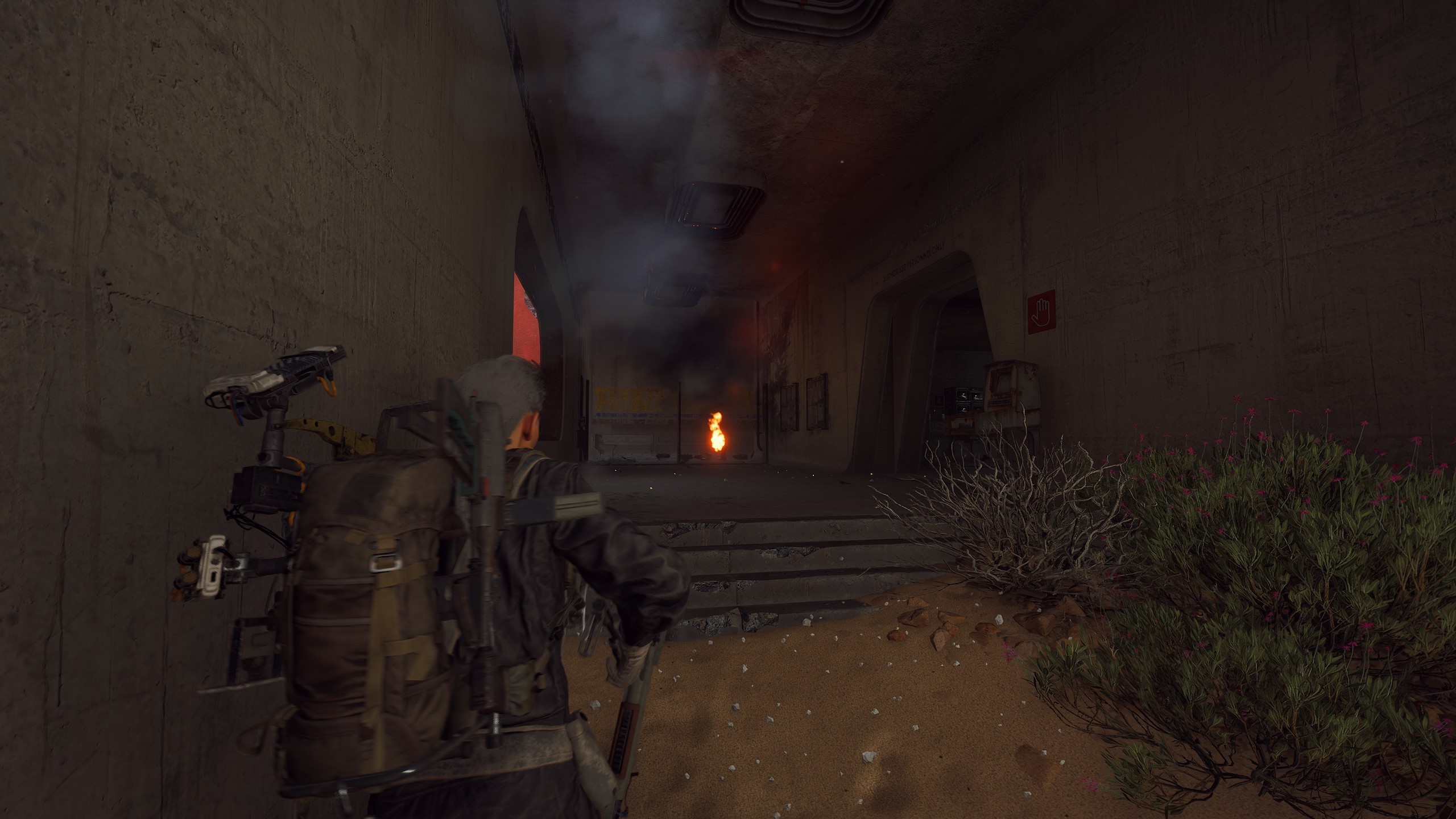
The ARC “Bark Spider” is a masterpiece of psychological warfare and ambush predation. Disguised as inert salvage containers, these insidious machines are responsible for more squad wipes than nearly any other low-tier ARC unit. Their lethality stems not from overwhelming power, but from their mastery of the surprise attack, exploiting a Raider’s own avarice to lure them into a kill zone. However, like all ARC technology, the Bark Spider operates on a rigid, predictable logic. By learning to decode its pre-ambush indicators and understanding its attack sequence, a Raider can transform this terrifying trap into a trivial, predictable, and even profitable encounter. This is the discipline of Counter-Ambush Protocol.
This analysis will provide a step-by-step deconstruction of the Bark Spider’s behavioral pattern, providing Raiders with the knowledge required to consistently identify, neutralize, and exploit this deadly mechanical predator.
Phase 1: Pre-Encounter Identification (Passive State)
The most critical phase of surviving a Bark Spider is identifying it *before* it activates. A Raider must shed their eagerness for loot and adopt a state of professional paranoia. Every salvage container must be treated as a potential threat until proven otherwise. The Bark Spider’s disguise is nearly perfect, but it has subtle Passive State Tells that a trained eye can spot:
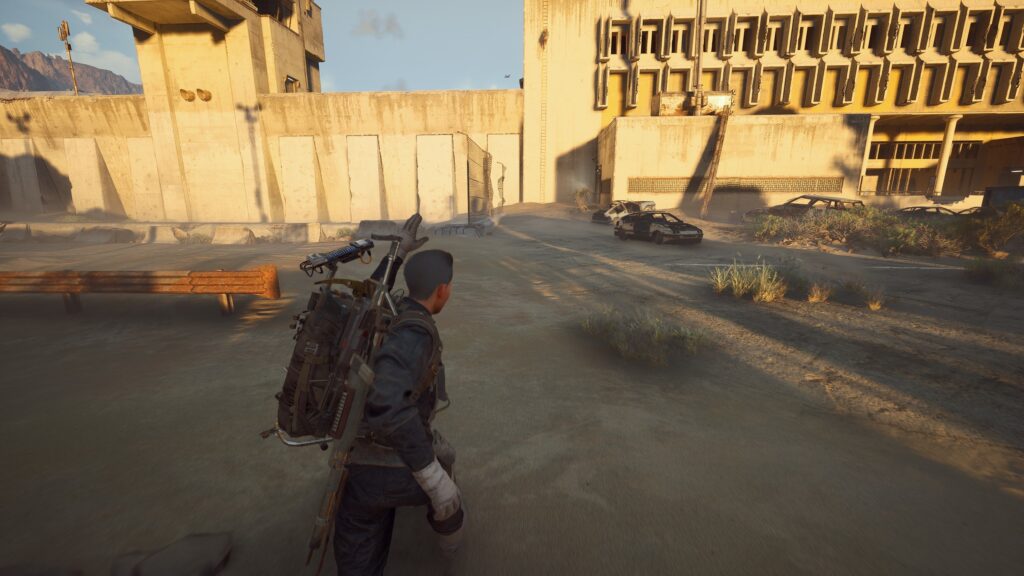
- Anomalous Placement: Is the container located in an unusually open, exposed area with no other debris around it? This is a common lure. ARC does not leave valuable salvage in tactically disadvantageous positions.
- The “Red Light” Indicator: A very faint, intermittently blinking red light can often be seen deep within the container’s seams, particularly in low-light conditions. This is the standby light for its activation sensor.
- Environmental Scuff Marks: Look for fresh, metallic scuff marks or disturbed earth around the base of the container. This indicates it has recently burrowed into position or unfolded, unlike truly static debris.
Approaching any container without performing this three-point visual check is an act of tactical negligence.
Phase 2: Triggering and the Activation Sequence
The Bark Spider activates when a Raider crosses an invisible proximity threshold, typically around 5 meters. Its activation is not instantaneous and is accompanied by a series of distinct, life-saving cues. Recognizing this Activation Sequence is key to initiating the counter-maneuver.
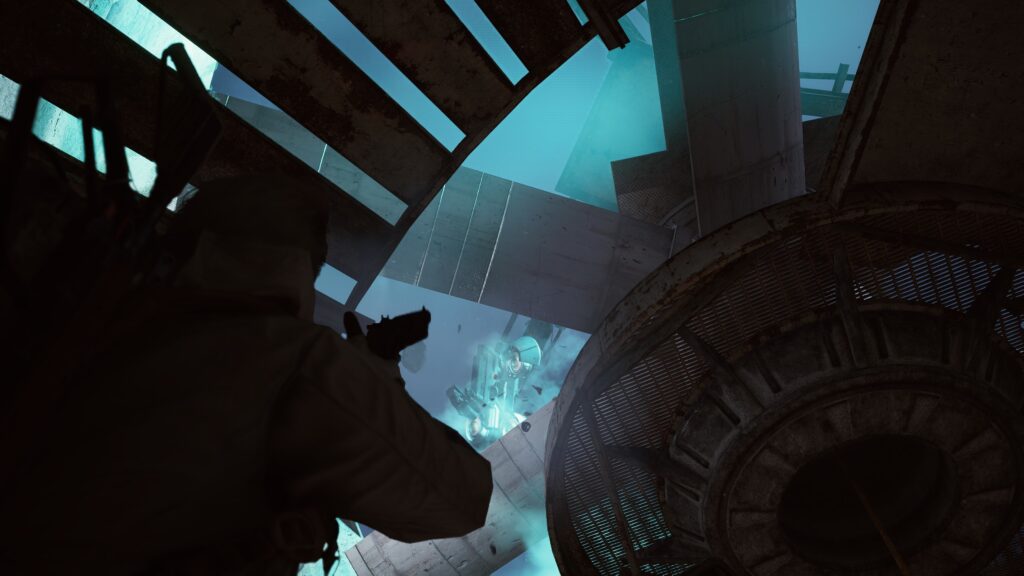
- The Audio Cue: A loud, unmistakable series of metallic “clunks” and “whirs” emanates from the container as its internal mechanisms unlock. This is the point of no return.
- The Unfurling: The container’s panels rapidly unfold, revealing the arachnid-like machine within. This animation takes approximately 1.5 seconds.
- The Threat Roar: Immediately upon unfurling, the Spider rears up and emits a loud, screeching electronic roar. This is not an attack; it is a final, telegraphed warning and a targeting behavior.
The moment the initial audio cue is heard, the Raider’s immediate, drilled response should be to sprint or dodge directly backward, creating distance. The 1.5-second unfurling animation is the Raider’s window to escape the immediate kill zone.
The Bark Spider’s Attack Pattern Breakdown
Once active, the Bark Spider follows a predictable, three-stage attack pattern. Understanding this sequence allows a Raider to anticipate its every move.
| Attack Stage | Description | Tactical Counter |
|---|---|---|
| 1. Leaping Strike | The Spider crouches low, then launches itself directly at the Raider’s last known position for massive melee damage. | A single lateral dodge as it begins its leap. The attack has poor tracking, so horizontal movement is key. |
| 2. Web Mortar | After landing, it will launch a glob of conductive webbing, which slows the Raider and can be electrified. | Maintain distance. The mortar has a pronounced arc and is easily avoided by continuous movement. |
| 3. Weak Point Exposure | Following the Web Mortar, the Spider briefly exposes a glowing red heat sink on its abdomen as it vents. | This is the primary damage window. Focus all fire on the exposed heat sink for critical damage. |
Exploitation: The Bait and Switch
Once the Bark Spider’s pattern is understood, it can be weaponized. A highly effective squad tactic is the Bait and Switch. One Raider (the “Bait”) intentionally triggers the spider from a safe distance, immediately dodging its initial leap.

While the Spider is locked onto the Bait, the other squad members, positioned at a 90-degree flanking angle, have an unobstructed line of sight to its side armor and the abdominal heat sink when it is exposed. This turns the ambush predator into the ambushed, allowing the squad to destroy it with surgical precision and minimal risk, often before it can even complete its first attack cycle.
Salvage and Aftermath: The True Prize
The ultimate irony of the Bark Spider is that, once defeated, it yields a high concentration of valuable resources. Its chassis contains Tier 2 electronic components and, occasionally, a rare power core that are not found in standard salvage containers. The very thing it uses as bait becomes the reward. This completes the cycle of mastery: from paranoid identification to deliberate activation, to choreographed evasion, to tactical exploitation, and finally, to profitable salvage. The encounter transforms from a terrifying threat into a high-yield resource node to be farmed.
Conclusion: From Prey to Predator
The Bark Spider is a cognitive test designed by ARC to punish greed and impatience. A Raider who passes this test does so by replacing avarice with discipline and paranoia.
By internalizing the subtle tells of its passive state and memorizing the rigid choreography of its attack pattern, a Raider can strip the Bark Spider of its only true weapon: the element of surprise. The machine is not just defeated; its entire predatory purpose is subverted. The trap becomes the prize, and the Raider proves they have evolved from simple prey into a thinking, calculating predator.