
✦ Browsing
Category: Blog
-
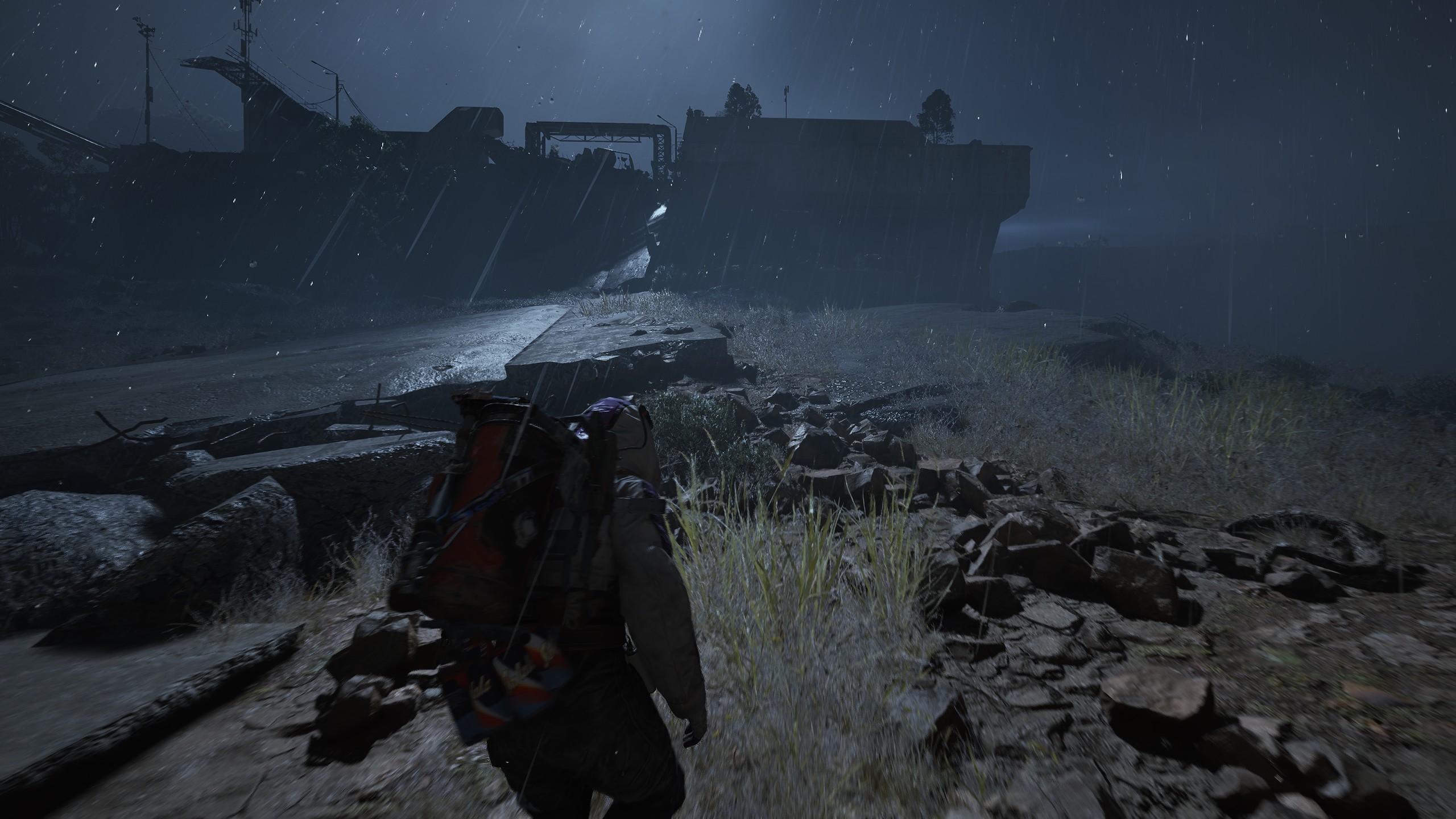
Arc Raiders Services for Solo Players and Limited Playtime
Why Solo Players Struggle With Progress Solo players in Arc Raiders often face slower progress because the game is built around risk, pressure, and limited margins for error. When playing alone, every fight is harder to control. Enemies attack from multiple angles, resources drain faster, and there is no backup if something goes wrong. A…
-
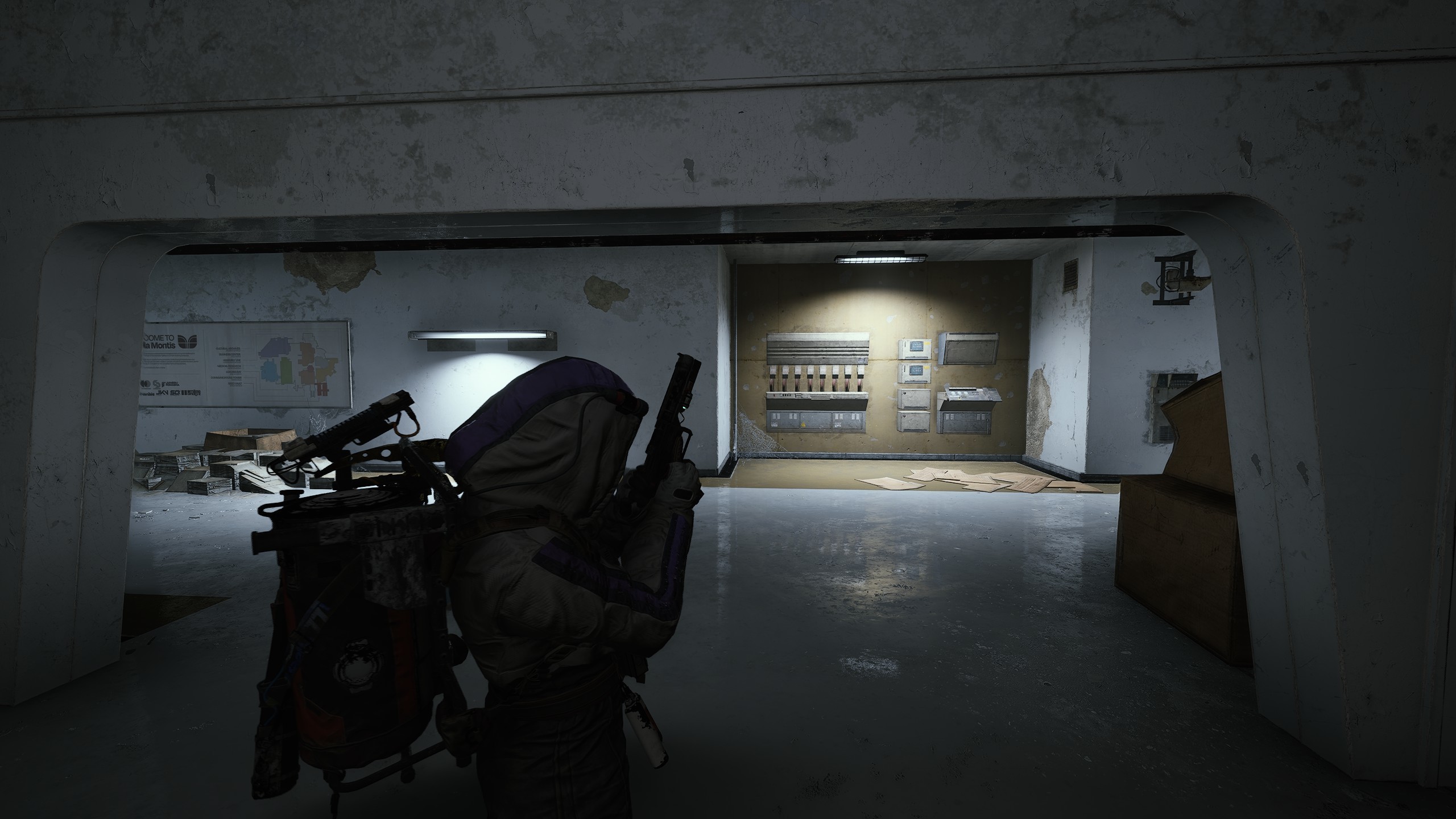
Verticality as a Weapon: Using High Ground to Dictate the Terms of Engagement Against ARC Patrols
Ground-level engagements with ARC forces are a fool’s errand—a symmetrical battle of attrition against a foe with superior numbers and armor. The truly dominant Raider understands that the battle is not fought on a two-dimensional plane. X-Isle’s terrain is a multi-layered battlespace, and the mastery of Verticality is the key to unlocking tactical supremacy. High…
-
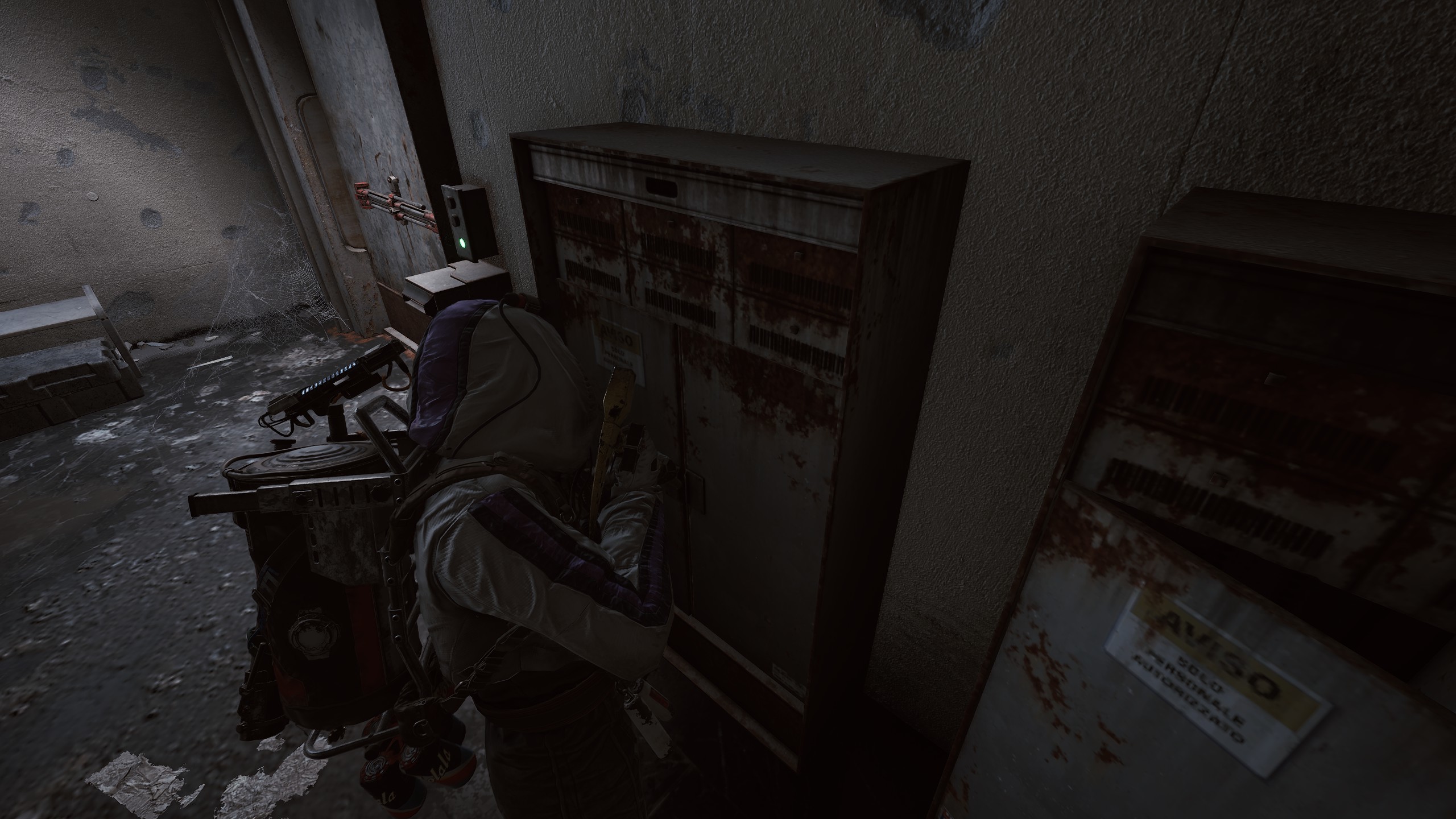
The Ballistics of Rebellion: A Comparative Analysis of Arc Raiders’ Makeshift Weapon Archetypes
The arsenal of a Raider is not a product of standardized military manufacturing; it is a testament to desperate ingenuity. Each weapon is a cobbled-together amalgamation of scavenged parts, held together by grit and sheer necessity. This makeshift nature results in a unique set of weapon archetypes, each with a distinct ballistic profile, tactical application,…
-
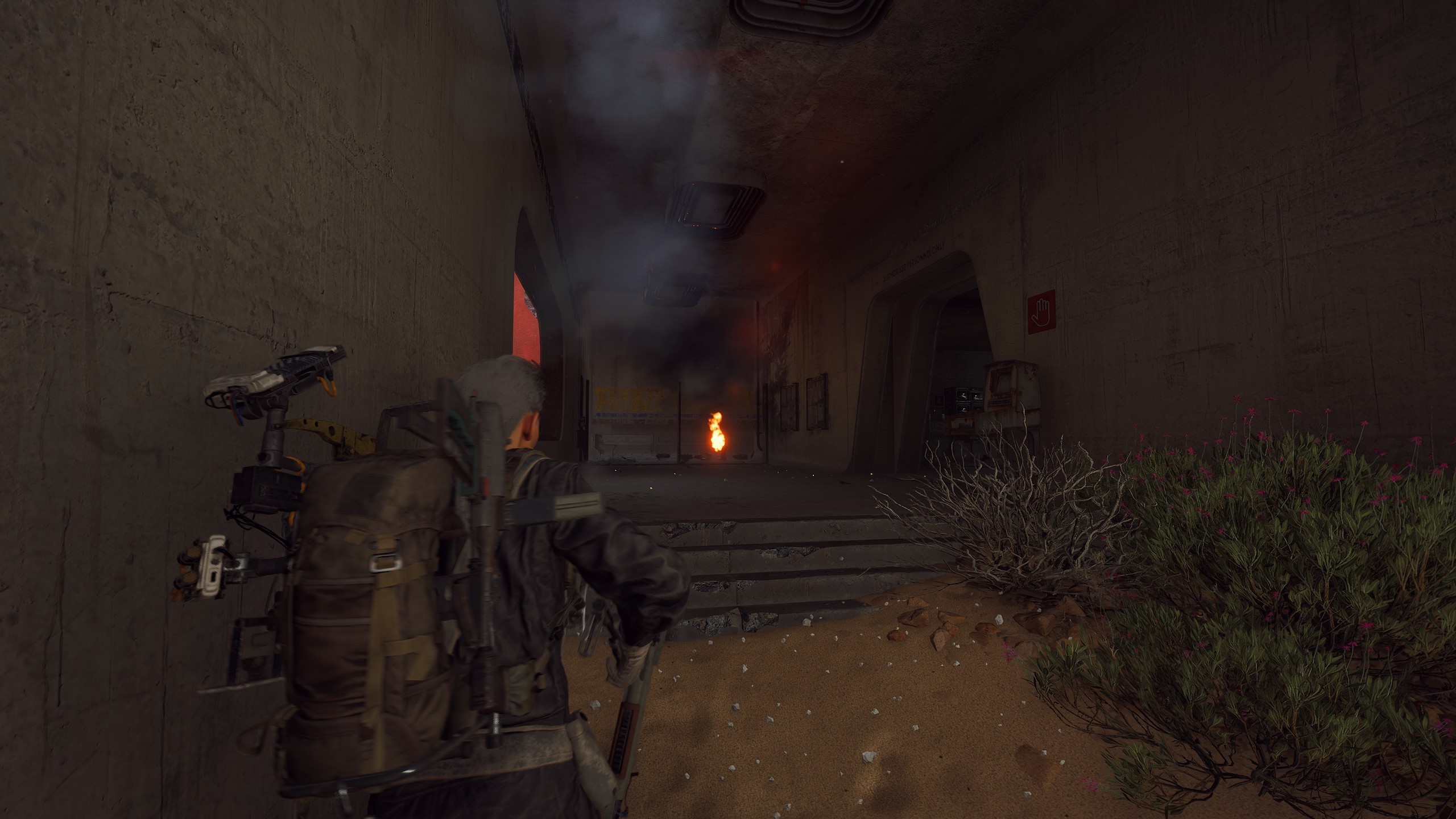
Decoding the Bark Spider’s Ambush Pattern: Turning a Lethal ARC Trap into a Predictable Encounter
The ARC “Bark Spider” is a masterpiece of psychological warfare and ambush predation. Disguised as inert salvage containers, these insidious machines are responsible for more squad wipes than nearly any other low-tier ARC unit. Their lethality stems not from overwhelming power, but from their mastery of the surprise attack, exploiting a Raider’s own avarice to…
-
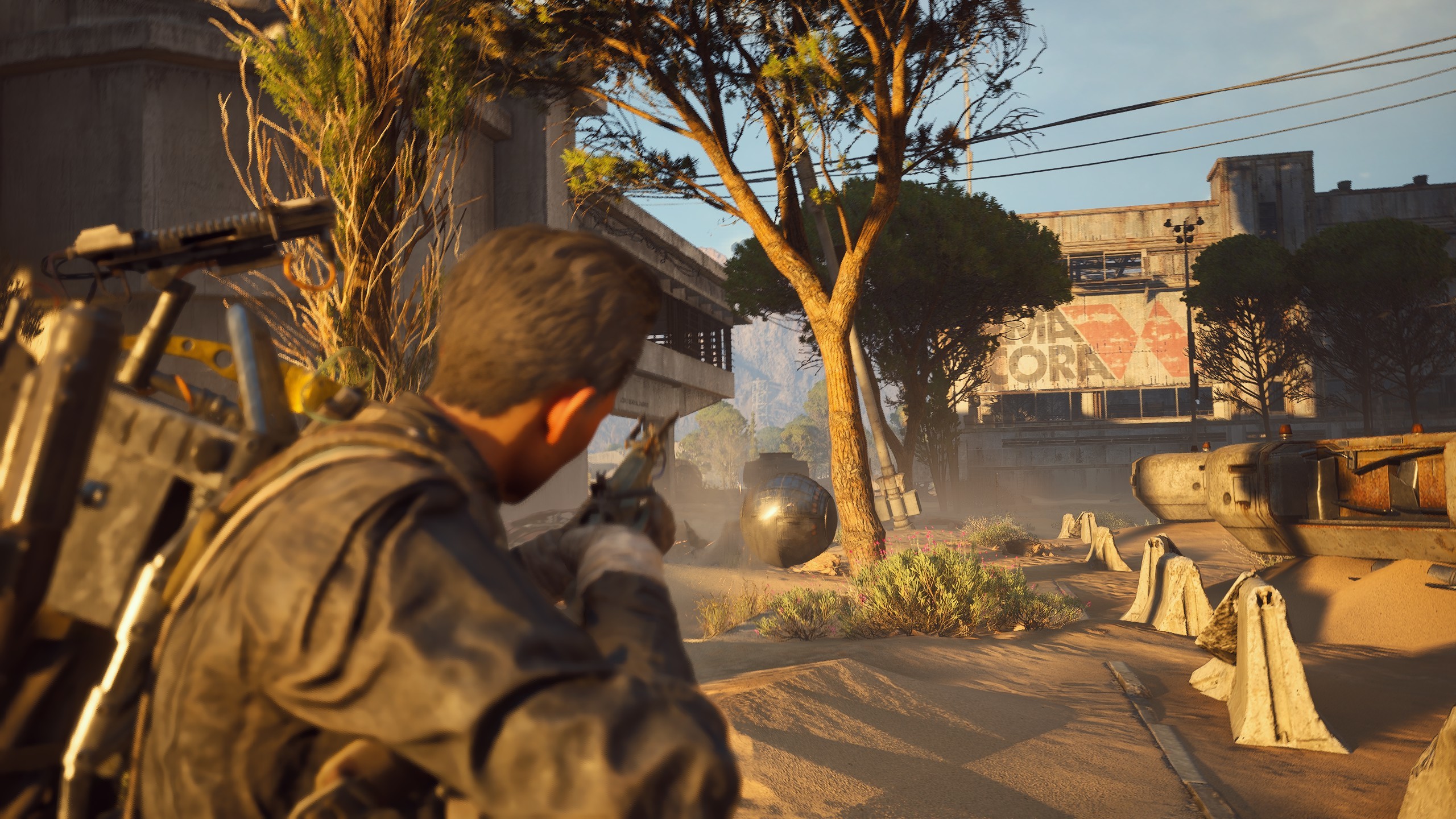
The Psychological Toll of the ARC Threat: Examining the Narrative Weight of a Ceaseless Robotic War
The operational loop of a Raider is often analyzed through a purely tactical lens: resource acquisition, combat effectiveness, and objective completion. This perspective, however, ignores the most insidious and pervasive enemy on X-Isle: the immense psychological weight of a perpetual, asymmetrical war against a tireless, unfeeling enemy. The ARC threat is not just a physical…
-
The Ethical Line: Should Raiders Prioritize Salvaging High-Tech ARC Components Over Human Artifacts?
The pursuit of mission-critical assets often forces Raiders to confront a profound moral choice: whether to prioritize the salvage of high-utility ARC technology (Tier III components) or the recovery of fragile, non-tactical Human Artifacts (Cultural Archeology, CA). **The Artifact Priority Dilemma (APD)** tests the core tenet of the Paradox of Persistence (TPP): are we fighting…
-
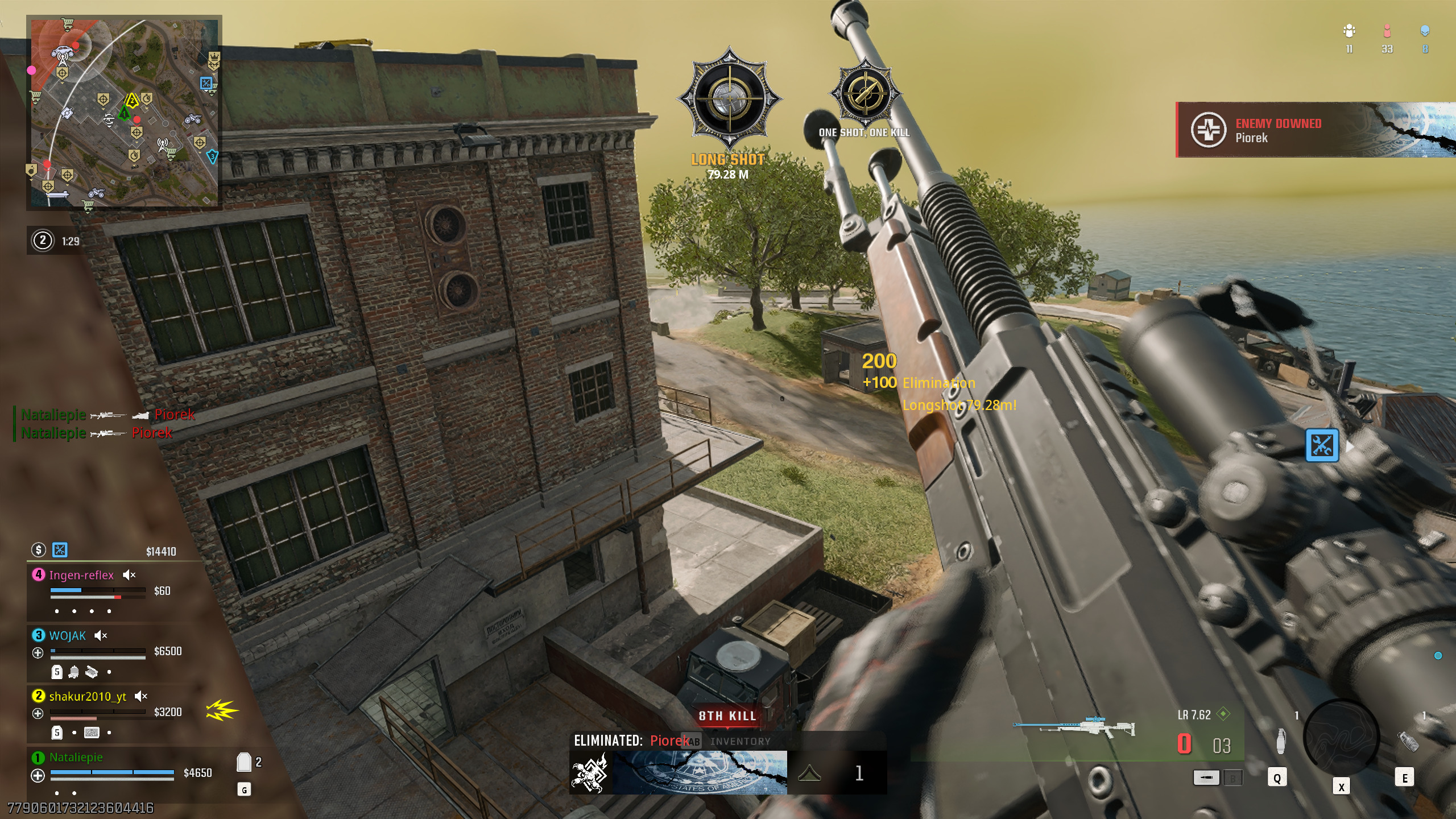
How to Turn a Panic Situation Into a Win in Warzone
Introduction: Thriving Under Pressure Warzone 2025 thrives on chaos. Even the most experienced players find themselves in situations where everything goes wrong—ammo runs low, multiple squads converge, or you’re caught in the open. These panic moments often lead to instant defeat, but they don’t have to. By staying calm, making quick decisions, and turning mistakes…
-

Arc Raiders Services Breakdown for Stable Gear and Faster Levels
Introduction Arc Raiders Services aimed at stable gear and faster levels exist because these two factors decide how enjoyable the game feels over time. Gear stability affects survival, and survival affects experience gain. When gear is lost often, players spend more time rebuilding than improving. When leveling is slow, motivation drops, and progress feels stuck.…
-

Weapon Rarity Impact on Engagement Confidence
Weapon rarity in Arc Raiders influences confidence long before the first shot is fired. Higher-tier equipment changes how players approach encounters, often altering risk tolerance and decision-making. This confidence can stabilize performance or quietly introduce overcommitment. Survival depends on whether rarity reinforces discipline or replaces it. Why Rarity Alters Perception of Safety Rare weapons feel…
-

Adapting Playstyle After Consecutive Losses
Consecutive losses in Arc Raiders challenge more than mechanics—they challenge identity. Repeated failure pressures players to either double down on habits or reassess how they approach risk, movement, and decision-making. The difference between stagnation and improvement lies in adaptation. Survival improves when losses are treated as signals to adjust behavior rather than proof of inability.…