
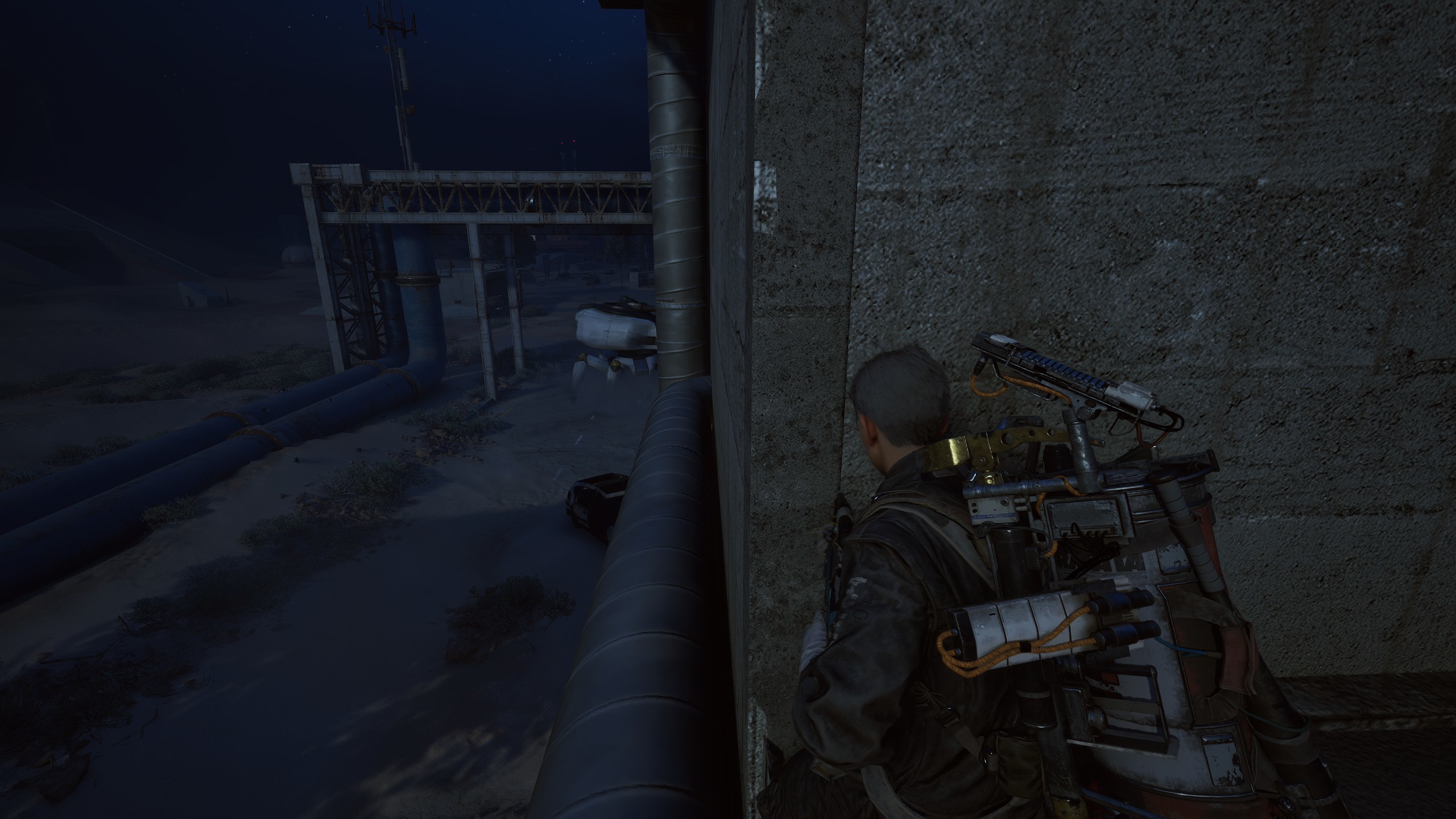
Mastering the “Training Run” in Arc Raiders is a distinct mechanical progression path that prioritizes long-term muscle memory over immediate loot acquisition. In the high-pressure environment of the Exclusion Zone, it is difficult to practice specific techniques like slide-jumping or recoil compensation because the cost of failure is so high. For players aiming to sharpen their technical skills without risking their hard-earned gear, establishing a dedicated training run routine forms a reliable framework for mastery. It is about treating the match as a practice range rather than a battlefield.
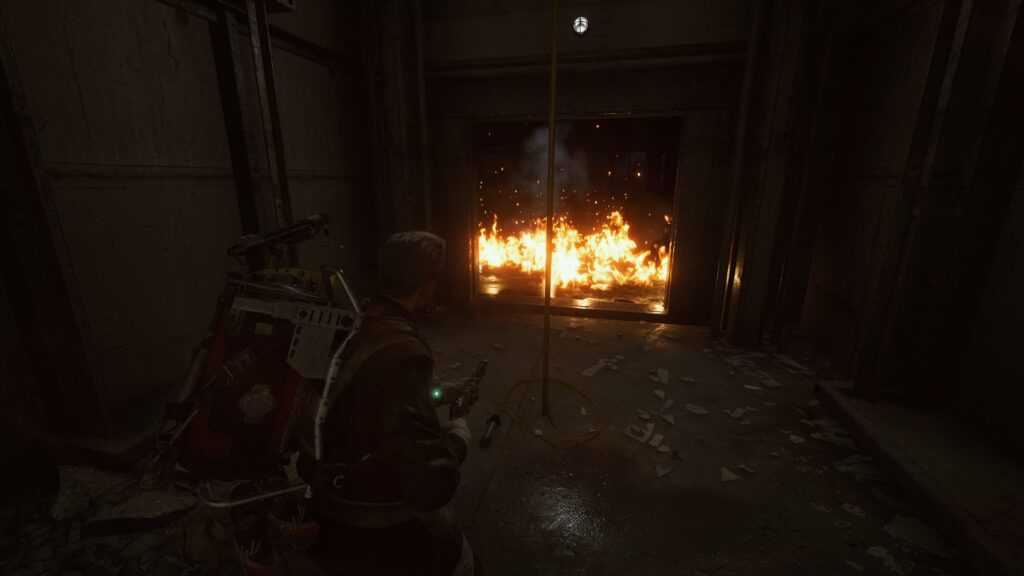
This guide examines how to approach low-stakes training efficiently, focusing on the “isolated-drill” technique, the logic of “movement-only” runs, and the strategic importance of using expendable kits to desensitize yourself to the chaos of active combat.
The Logic of Mechanical Isolation
In a standard match, your brain is overwhelmed by the “survival loop”—checking corners, listening for footsteps, and scanning for loot. This cognitive load makes it nearly impossible to focus on improving a specific physical skill. Training runs use a deterministic approach called “mechanical isolation.” By entering a match with a cheap, expendable kit and a singular focus on one mechanic, you strip away the distractions. You aren’t trying to survive; you are trying to ensure that every time you slide-peek a corner, it is executed with perfect frame-data. This is how elite raiders build the “autopilot” reflexes that win high-stakes duels.
This approach allows for rapid repetition. If you want to master the timing of a jump-jet into a hip-fire burst, you can do it fifty times in a single training run. In a normal “serious” raid, you might only get to try that move once or twice before being sent back to the stash. By isolating the mechanic, you compress hours of accidental learning into minutes of intentional mastery. This ensures that when the “real” fight happens, your body already knows the movement without you having to think about it, freeing your mind to focus on strategy.
Core Tactics: The “Movement-Only” Pass and Recoil Drills

To maximize the technical value of your training runs, you must utilize these specific practice habits:
- The Movement-Only Pass: Enter a raid with no intention of shooting. Spend the entire match practicing your “evasive flow”—looping through buildings, jumping between rooftops, and sliding through narrow gaps. Your goal is to see how long you can stay alive purely through superior movement.
- Live-Target Recoil Drills: Engage minor AI units (like Scrappers) but do not go for the quick kill. Instead, use them to practice tracking and recoil control at different distances. See how tight you can keep your grouping while the target is actively moving and shooting back.
- The “Limit-Test” Escape: Intentionally draw the attention of a large patrol and practice your disengagement route. Learning exactly how much damage you can take before a roll or a smoke becomes necessary is vital for building “survival intuition.”
Desensitization: Overcoming the Adrenaline Spike
A major obstacle to consistent play in Arc Raiders is the “adrenaline spike”—the physical panic that occurs when you are surprised. Training runs act as a form of exposure therapy. By intentionally putting yourself in “bad” positions with gear you don’t care about, you train your brain to stay calm under pressure. You learn that “taking damage” is just a variable to be managed, not a signal to panic. Over time, the loud noises and sudden flashes of combat stop being overwhelming and start being simple data points for your tactical decision-making.
This “Combat Calm” is the ultimate reward of the training run. It allows you to maintain your mechanical precision even when the stakes are at their highest. While other players are fumbling their reloads or missing their shots due to shaky hands, you will be executing your drills with the same cold efficiency you practiced in your low-stakes runs. This mental fortitude is what separates the veterans who extract with the legendary loot from the casuals who freeze up the moment the first shot is fired. Mastery of your own nervous system is the foundation of becoming a dominant raider.
Scaling Up: From the Lab to the Field
The final stage of the training run is “graduation.” Once a mechanic feels fluid in a low-stakes environment, you must begin integrating it into your “standard” runs. Do not try to use everything at once; pick one technique you’ve mastered (like “head-height pre-aiming”) and make it your primary focus for the night. This bridge between the “lab” (training run) and the “field” (serious raid) ensures that your skills aren’t just theoretical. They must be battle-proven under real risk. This scaling approach provides a stable path to total character mastery.

Integrating these training habits into your daily routine ensures that you are constantly out-scaling the competition. Most players only “practice” when they are forced to fight for their lives; you are practicing every single day in a controlled, efficient environment. This technical edge becomes a permanent part of your skill set, independent of whatever gear you happen to be wearing. Mastery of the training run is how you ensure that your performance in the Exclusion Zone is a consistent, upward trajectory toward elite status.
Conclusion: Technical Mastery Through Repetition
Training runs reward the disciplined and the patient. By isolating specific mechanics in low-stakes environments and desensitizing yourself to combat stress, you build a foundation of “Combat Calm.” Integrating these practice habits into your routine ensures that your skills remain sharp and your decision-making stays clear, providing a stable path to victory through superior mechanical discipline in the Exclusion Zone.