

Mastering session planning in Arc Raiders is a distinct strategic progression path that maximizes the efficiency of your limited playtime. Without a clear objective, many raiders fall into the trap of “drifting”—wandering through matches without a defined purpose, which leads to slow progression and inconsistent results. For players aiming to accelerate their growth and build a massive stash, developing a pre-queue goal routine forms a reliable framework for mastery. It is about understanding that a productive session is designed, not stumbled upon.

This guide examines how to approach your daily play sessions efficiently, focusing on the “singular-objective” rule, the logic of tiered goals, and the strategic importance of aligning your loadout with your intended outcome to ensure you improve faster than the average raider.
The Logic of Intentional Improvement
In the high-stakes Exclusion Zone, a lack of focus is a tactical liability. If you enter a match “just to play,” your brain is not primed to look for specific learning opportunities. Session planning is a deterministic method to force growth. By setting a specific goal—such as “mastering a specific rotation” or “practicing long-range tracking”—you create a mental filter. Every engagement is then evaluated against that goal, allowing you to build muscle memory and situational awareness much faster. You aren’t just playing; you are training.
This approach also manages your “emotional capital.” If your goal is to “find three specific crafting components,” and you extract with them, the session is a success regardless of your kill count. This prevents the frustration that comes from comparing yourself to others’ performance. You are competing against your own progression milestones. Mastery of this intentionality ensures that every hour spent in Arc Raiders results in a measurable increase in either your stash value or your mechanical skill, providing a steady path to elite-tier raiding.
Core Tactics: The Singular Objective and Tiered Daily Goals
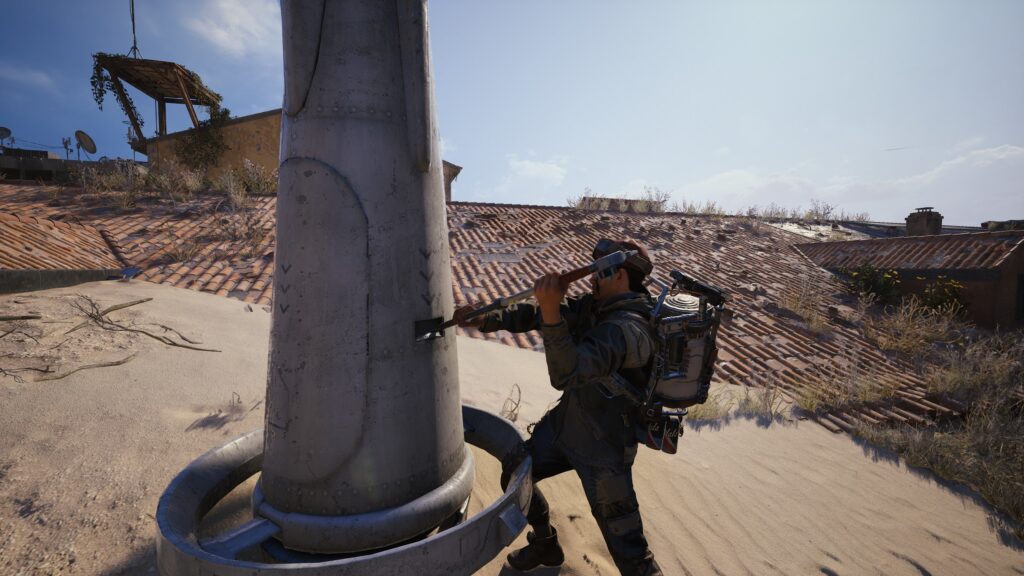
To ensure every session is productive, you must utilize these specific planning habits:
- The Singular Objective: Before clicking “Queue,” state your primary goal out loud. “This session is for credit farming” or “This session is for quest completion.” If an opportunity arises that conflicts with this goal, you have a logical reason to decline it and stay on track.
- Tiered Daily Goals: Set one “Primary” (high importance), one “Secondary” (if time allows), and one “Stretch” goal (high difficulty). This ensures that even in a short session, you achieve the primary milestone, maintaining your progression momentum.
- Loadout Alignment: Match your kit to your goal. If you are farming credits, run an eco-kit to maximize profit. If you are pushing a difficult quest, bring your best gear to maximize the chance of success. Never “over-gear” for a low-stakes goal.
Managing Burnout and the “Variety” Pivot
A major risk of session planning is the “grind fatigue.” If you set the same farming goal five nights in a row, you will burn out. To prevent this, your plan must include variety. Use a “three-day rotation”: one day for wealth building, one day for quest progression, and one day for tactical practice (PvP). This rotation ensures that all your “raiding muscles” are being worked without any single one becoming exhausted. It keeps the game fresh and exciting while still maintaining a structured path toward total mastery.
You must also be prepared to pivot your plan if the match conditions are unfavorable. If you planned to farm a specific Hot Zone but find it’s being camped by multiple squads, your secondary goal should be to “scout alternative routes.” This flexibility prevents the frustration of “banging your head against a wall.” You aren’t abandoning your plan; you are adapting your tactics to the current reality of the Zone. A veteran raider knows that a successful session is one that ends with progress, even if it wasn’t the exact progress they initially envisioned.
Post-Session Review: The Three-Minute Audit
The final step of session planning is the audit. After you log off, spend three minutes reviewing your goals. Did you achieve your primary objective? If not, why? Was it a mechanical failure, a tactical error, or simply bad luck? This brief reflection solidifies the lessons learned and informs your plan for the next day. It transforms a series of matches into a cohesive training program. By treating your playtime with this level of professional respect, you ensure that your growth in Arc Raiders is a permanent, upward trajectory.

Integrating these planning habits into your daily routine transforms you from a casual participant into a disciplined professional. You stop wasting time on low-yield activities and start focusing on the specific actions that grow your stash and improve your aim. Mastery of session planning is what allows a raider with two hours of playtime to outperform a drifter with ten. Plan your raid, raid your plan, and dominate the Exclusion Zone through superior intentionality.
Conclusion: Mastery Through Intentionality
Session planning rewards the organized and the focused. By setting clear goals and aligning your loadouts with your objectives, you maximize every minute spent in the Exclusion Zone. Integrating these planning habits into your routine ensures that your progression is a steady, predictable climb, providing a stable path to long-term success through superior tactical foresight.