
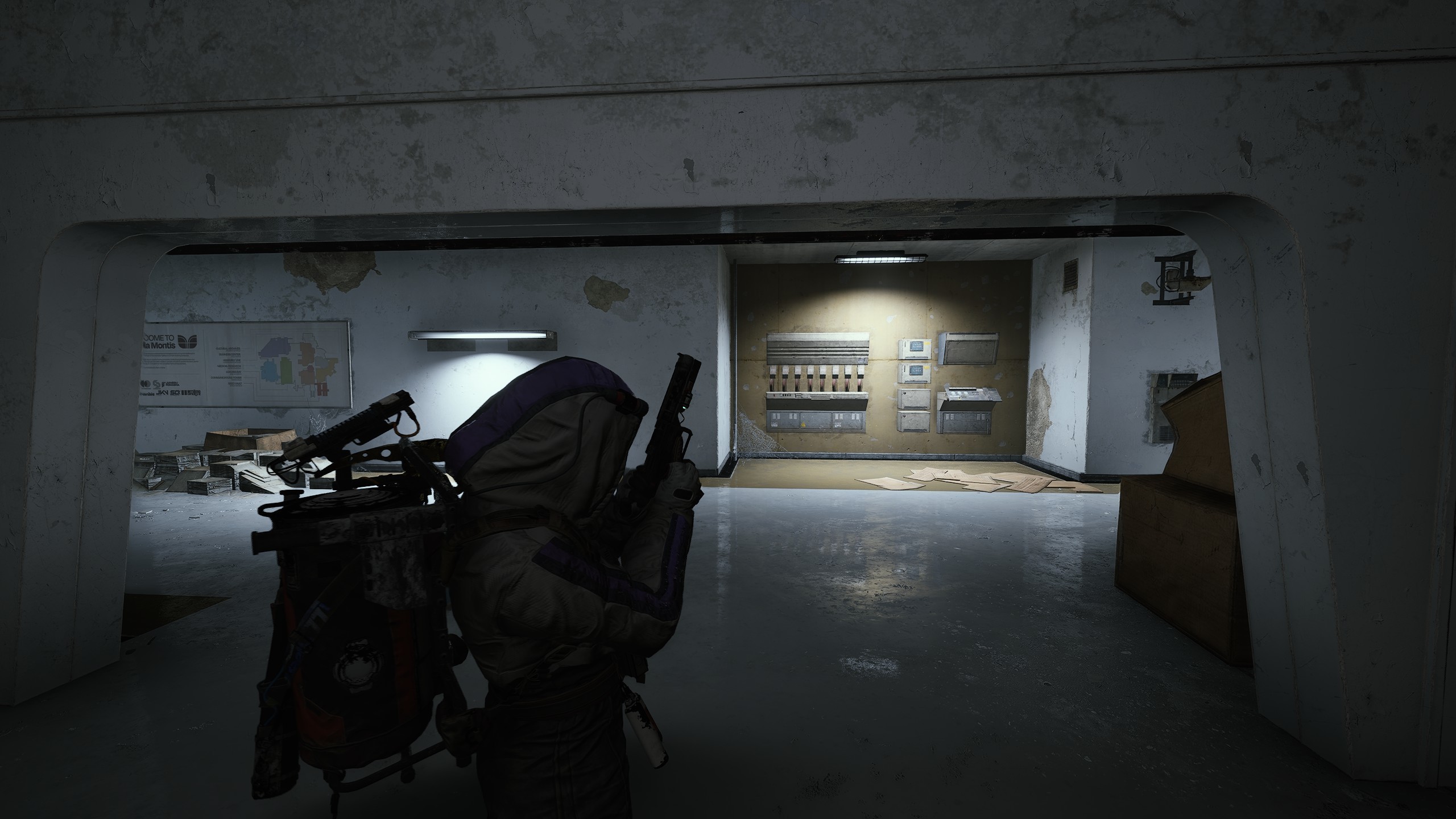
Ground-level engagements with ARC forces are a fool’s errand—a symmetrical battle of attrition against a foe with superior numbers and armor. The truly dominant Raider understands that the battle is not fought on a two-dimensional plane. X-Isle’s terrain is a multi-layered battlespace, and the mastery of Verticality is the key to unlocking tactical supremacy. High ground is not merely a vantage point; it is a weapon system in itself. Securing a superior vertical position allows a squad to fundamentally alter the rules of engagement, transforming a hazardous encounter into a controlled, one-sided execution. To fight ARC on their level is to accept their terms; to fight from above is to dictate your own.
This analysis will deconstruct the core principles of vertical combat, illustrating how the strategic acquisition and utilization of high ground provides unparalleled advantages in intelligence, offense, and defense.
The Principle of Asymmetrical Engagement
The core advantage conferred by high ground is the creation of an Asymmetrical Engagement. From an elevated position, a Raider squad gains several immediate, non-negotiable advantages. Firstly, you can see the enemy before they can see you, granting you the initiative. Secondly, much of the ground-level cover that ARC units rely on becomes ineffective against an attack from a steep, vertical angle.
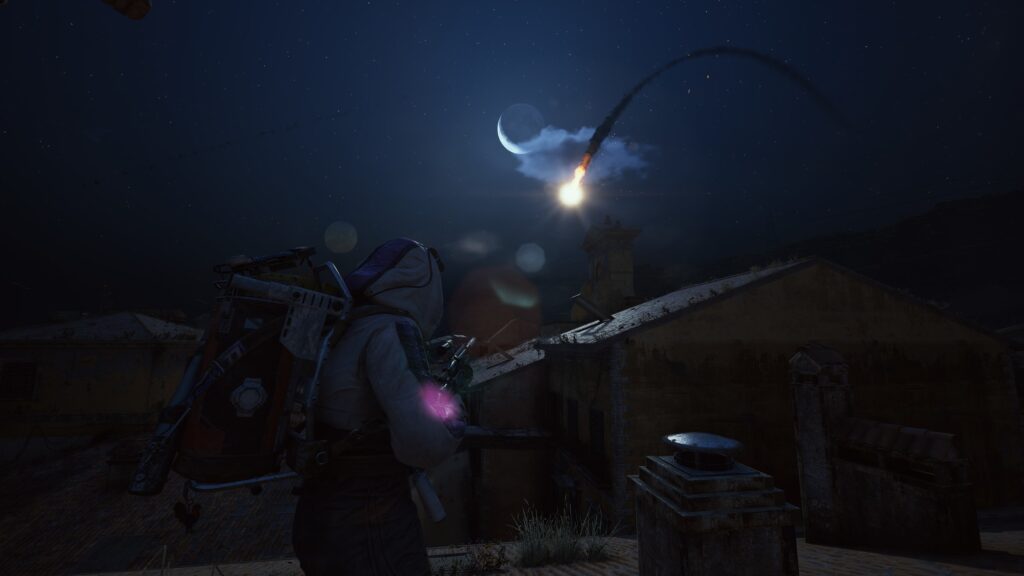
A concrete barrier that protects a Trooper from horizontal fire is completely useless against a grenade dropped from a cliff directly above it. This principle allows a poorly equipped squad to effectively neutralize the superior armor and cover of a larger ARC force, creating a “force multiplier” effect where position is more valuable than firepower.
Intelligence Gathering and Predictive Targeting
Before the first shot is fired, verticality serves as an unmatched intelligence-gathering platform. From a high perch, a Raider can conduct a Pre-Engagement Survey, observing ARC patrol routes, squad compositions, and the locations of high-priority units (like Knights or Queens) without risking detection. This intelligence allows the squad to formulate a perfect attack plan. You are not reacting to a sudden encounter; you are initiating a planned takedown based on complete information.
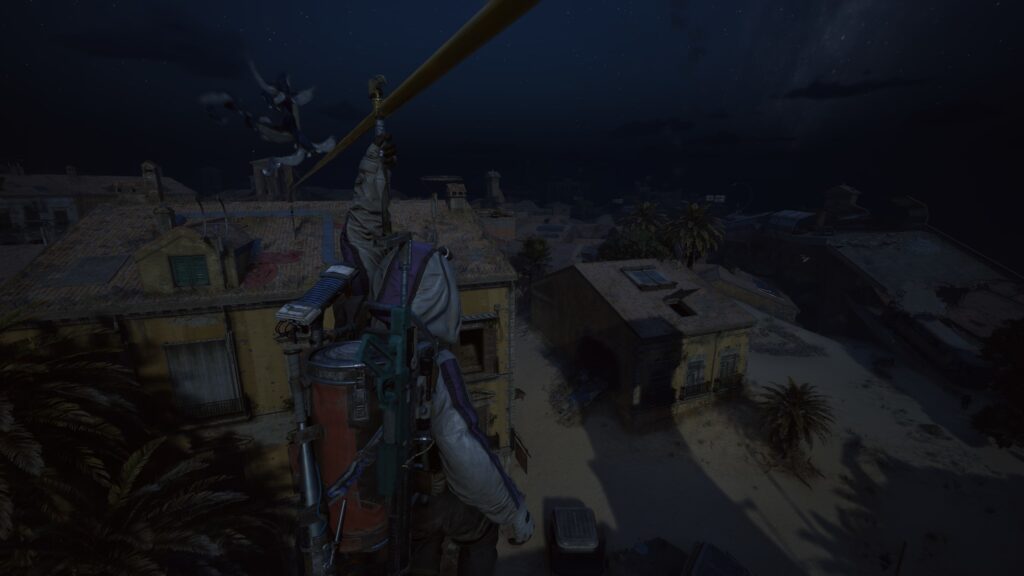
Furthermore, this vantage point enables Predictive Targeting. By observing a patrol’s direction of travel, a Raider can place traps or pre-aim explosives along their projected path. This is the difference between reactive shooting and proactive, resource-efficient neutralization. You are not just fighting the enemy; you are fighting where the enemy is *going to be*.
Offensive Advantages: The Vertical Kill Box
Once combat is initiated from a superior vertical position, the offensive advantages are overwhelming. The high ground becomes a Vertical Kill Box, a space where the enemy has limited and predictable response options.
- Gravitational Assistance: Thrown explosives (grenades, mines) gain range and a more predictable arc when thrown from above, allowing a Raider to engage targets that would normally be out of reach.
- Weak Point Exploitation: Many ARC units, particularly the quadrupedal Wardens and massive Goliaths, have critical weak points (heat sinks, power cores) located on their dorsal or rear chassis. These are nearly impossible to target from the ground but become trivially easy to hit from an elevated angle.
- Suppression Superiority: Suppressing fire from high ground is far more effective, pinning down entire squads and forcing them to abandon cover or risk being flanked by your ground-level squadmates.
Defensive Protocols for High-Ground Positions
Securing high ground is only half the battle; holding it requires discipline. ARC is not unintelligent and will attempt to counter your advantage. A squad must immediately establish Defensive Protocols upon securing a vertical position.
| Protocol | Execution | Tactical Purpose |
|---|---|---|
| Access Point Denial | Place traps (mines, snares) on all ladders, ramps, or climbable paths leading to your position. | Creates an early-warning system and softens up any ARC units attempting a direct assault on your perch. |
| Escape Vector Planning | Identify a safe route to disengage from the high ground before you even fire your first shot. | Prevents your position from becoming a trap if overwhelmed. Ensures you can retreat and rotate to a new position. |
| Aerial Threat Overwatch | Designate one squad member to constantly scan the skies for incoming Queens or drop-pods. | High ground is vulnerable to aerial attack; this protocol mitigates the primary counter to your strategy. |
The Risks: Isolation and Aerial Vulnerability
The primary drawback of a vertical position is the risk of Isolation. A squad on a rooftop or a high cliff is a single, concentrated target. A well-placed mortar strike from a Goliath or a saturation bombardment from a Queen can be devastating.
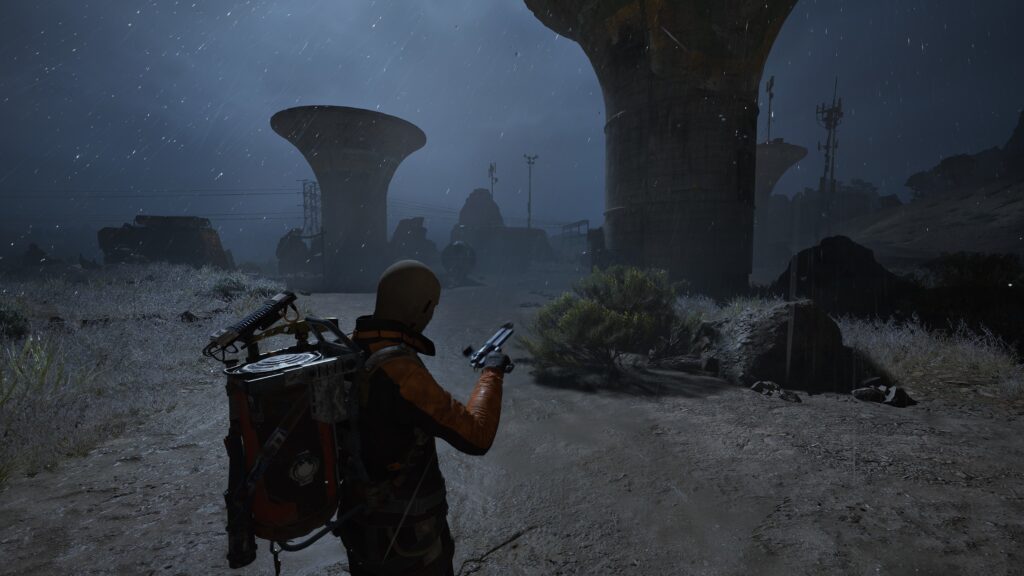
This is why defensive protocols, particularly Aerial Threat Overwatch, are not optional. Furthermore, a Raider must be aware that while they gain a superior firing angle, they often sacrifice mobility. Getting “pinned down” on high ground without a planned escape vector is a death sentence. The power of verticality must always be balanced against its inherent risks.
Conclusion: The Raider as a Mountaineer
On X-Isle, the smartest Raider is also a mountaineer. They understand that the contours of the map are not obstacles, but opportunities. They read the terrain for its tactical, not just its physical, properties.
By consistently seeking, securing, and weaponizing high ground, a Raider squad can systematically dismantle ARC forces with superior intelligence and flawless offensive positioning. They stop fighting fair fights and start executing controlled demolitions from on high. In this vertical battlespace, the Raider who controls the Z-axis controls the entire engagement.