
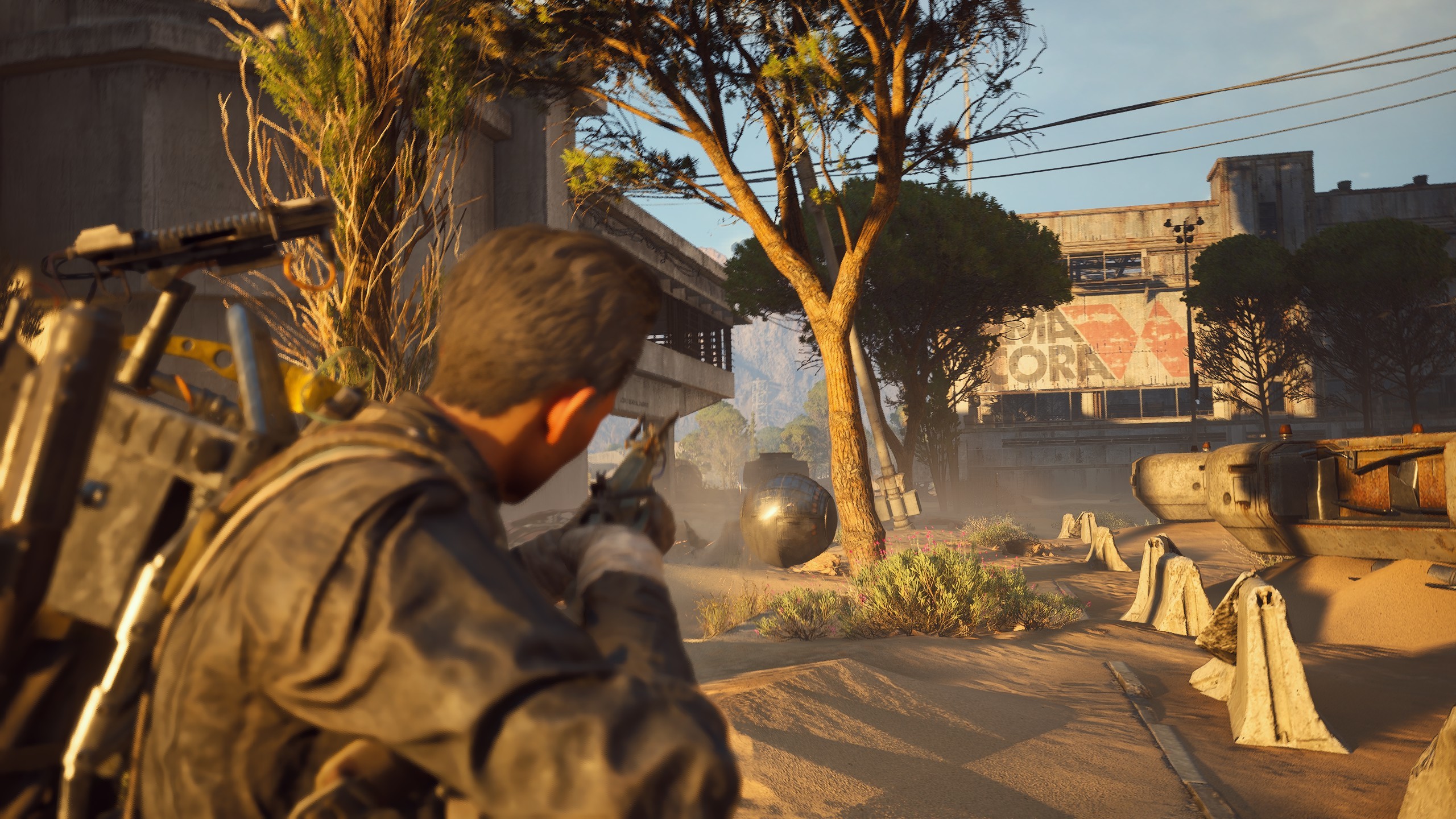
The operational loop of a Raider is often analyzed through a purely tactical lens: resource acquisition, combat effectiveness, and objective completion. This perspective, however, ignores the most insidious and pervasive enemy on X-Isle: the immense psychological weight of a perpetual, asymmetrical war against a tireless, unfeeling enemy. The ARC threat is not just a physical obstacle; it is a source of profound Psychological Attrition. The ceaseless hum of distant patrols, the ever-present threat of orbital strikes, and the knowledge that your enemy does not sleep, feel, or tire—these factors exert a narrative pressure that shapes every decision and can break even the most hardened survivor.
This analysis will delve into the narrative and psychological underpinnings of the conflict, examining how the nature of the ARC enemy creates a unique form of existential dread that is as tangible a threat as any plasma cannon.
The Principle of Existential Dread
Unlike a conventional human enemy, ARC cannot be demoralized, intimidated, or reasoned with. It is a force of nature, akin to a storm or a plague. This creates a powerful sense of Existential Dread. A Raider’s victories are fleeting and temporary; a destroyed patrol is simply replaced by another identical one, deployed from an inexhaustible orbital source.

ARC’s losses are meaningless to them, while a Raider’s every loss—a single bullet, a fallen comrade—is a significant, often irreplaceable setback. This asymmetry breeds a sense of futility. The narrative is not one of glorious conquest, but of desperate, indefinite survival against an inevitable tide. This understanding is the source of the psychological toll; Raiders are not fighting to win, but simply to not lose… yet.
Sensory Exhaustion and Hyper-Vigilance
The ARC threat forces a Raider into a constant state of Hyper-Vigilance. Survival is contingent on the ability to perpetually scan the environment, decode subtle audio cues, and treat every shadow as a potential threat. This state is mentally exhausting. There are no truly “safe” moments on X-Isle, only varying degrees of danger.
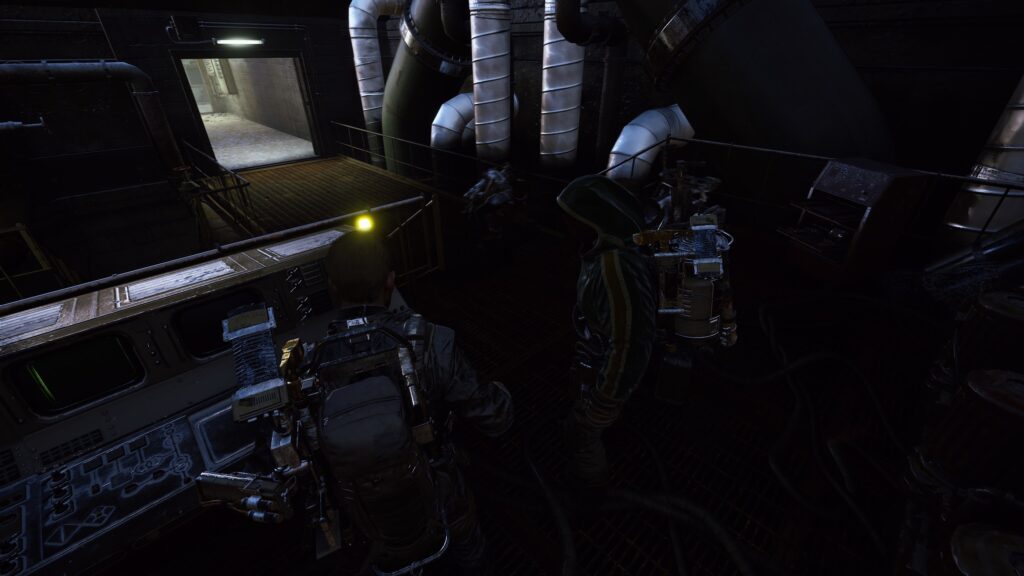
This sensory overload leads to a condition of Cognitive Burnout, where a Raider’s decision-making ability becomes impaired after long deployments. Mistakes are made not from a lack of skill, but from a simple inability to maintain the required level of intense focus for a prolonged period. The hum of a Seeker drone becomes a persistent, paranoia-inducing background noise, blurring the line between imminent threat and ambient sound.
The Dehumanization Effect of Robotic Warfare
Fighting a faceless, mechanical enemy has a profound dehumanizing effect. ARC units do not have names, faces, or emotions. They are walking appliances of death. This lack of a relatable adversary creates a psychological vacuum. There is no catharsis in victory, only the cold satisfaction of a problem being temporarily solved. This dynamic is further reinforced by ARC’s behavior:
- Impersonal Tactics: ARC does not hate you. It calculates you as a threat to be neutralized with maximum efficiency. An orbital strike is not an act of anger; it is a mathematical solution to your existence.
- Unflinching Advance: ARC units will walk over their own destroyed comrades without pause. This visibly demonstrates their lack of sentiment or self-preservation, reinforcing their alien, implacable nature.
- Salvage as a Necessity: The act of tearing apart your defeated foe for spare parts, while necessary for survival, is a grim ritual that further blurs the line between a soldier and a machine. You must become like them—cold, efficient, and resource-focused—to survive them.
Manifestations of Psychological Attrition in Raider Behavior
The constant mental pressure manifests in observable, often detrimental, Raider behaviors. Recognizing these symptoms is the first step to mitigating them.
| Symptom | Observable Behavior | Underlying Psychological Driver | Strategic Consequence |
|---|---|---|---|
| Loot Greed | Lingering too long at salvage sites, taking unnecessary risks for minor gains. | A desperate attempt to find meaning and “profit” in the face of futility. | High probability of being caught by reinforcement waves; violates Retrieval Risk Assessment. |
| Hyper-Aggression | Engaging patrols that could be avoided; prioritizing destruction over objectives. | A need to exert control and agency over an overwhelming force; a vent for frustration. | Catastrophic resource expenditure; leads to Net Resource Negativity. |
| Tactical Paralysis | Hesitation to move from cover; over-analyzing every decision to the point of inaction. | Cognitive Burnout and fear of making a fatal mistake. | Missed tactical windows and inability to adapt to a changing battlefield. |
The Narrative Role of Hope and Community
The only known antidote to this psychological attrition is the Raider community itself. The base camp, the shared goals, and the presence of other human beings serve as a critical narrative counterweight. It is a reminder of what is being fought for: not just personal survival, but the survival of humanity.
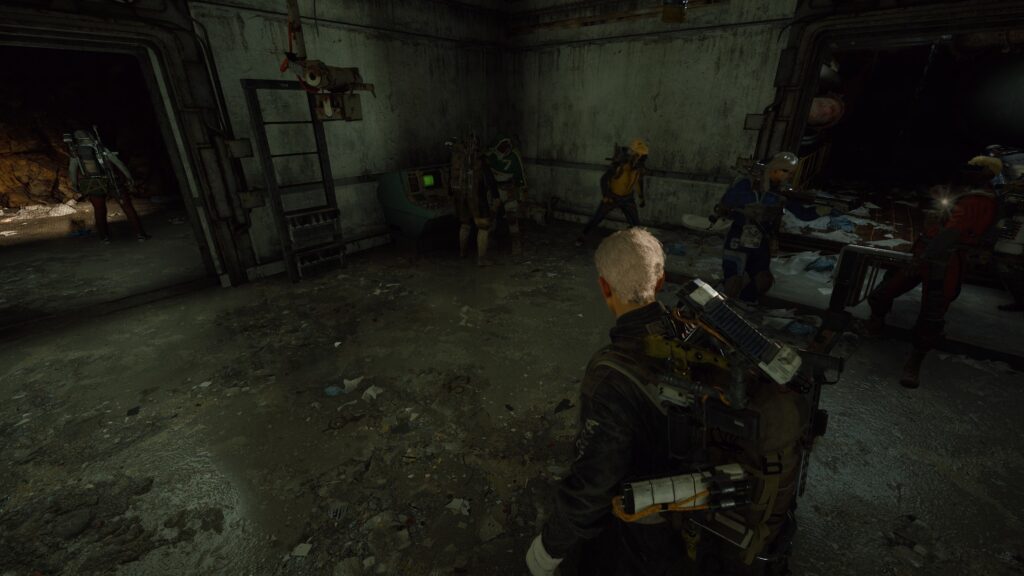
The act of a squadmate reviving you is more than a gameplay mechanic; it is a narrative affirmation of mutual support against the void. These moments of camaraderie are the only thing that replenishes the mental fortitude drained by the ceaseless, impersonal war.
Conclusion: The War Within
The war against ARC is fought on two fronts. The outer war is one of ballistics and tactics. The inner war is one of resolve, hope, and mental endurance. The psychological toll of this conflict is a core, unstated mechanic that underpins the entire experience.
The droning of the machines is a constant whisper of despair, and the Raider who endures is not the one with the best rifle, but the one with the strongest will. They have learned not only how to dismantle a machine, but how to withstand the crushing narrative weight of a war that may never truly end.