

Consecutive losses in Arc Raiders challenge more than mechanics—they challenge identity. Repeated failure pressures players to either double down on habits or reassess how they approach risk, movement, and decision-making. The difference between stagnation and improvement lies in adaptation.
Survival improves when losses are treated as signals to adjust behavior rather than proof of inability.
Why Repetition Amplifies Bad Habits
After multiple losses, players often default to familiar patterns for comfort. These patterns feel reliable, even when they contributed to failure.
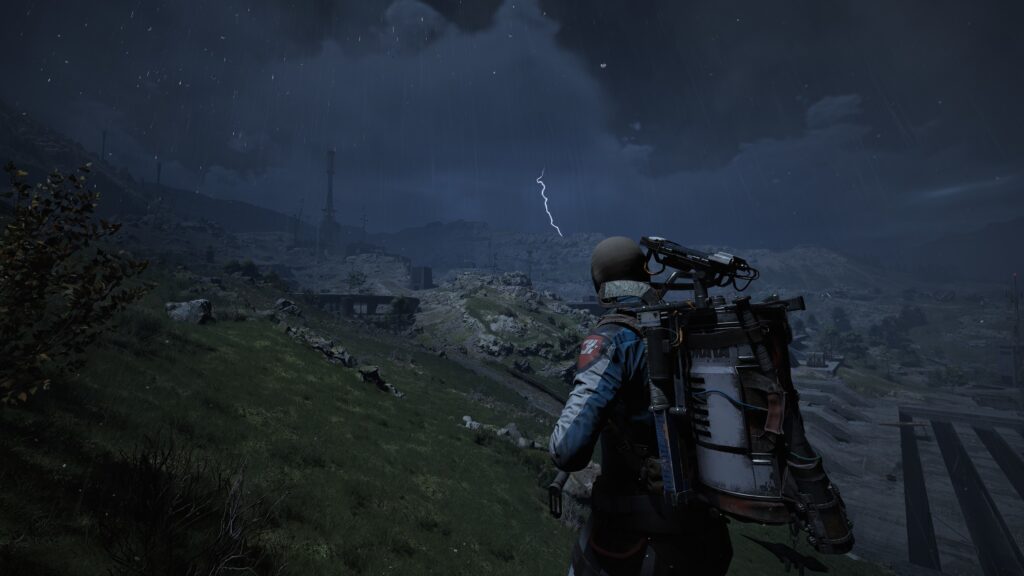
Repeating them reinforces the same outcomes. Survivors recognize that comfort does not equal effectiveness. They interrupt repetition deliberately, changing pace, routes, or engagement rules to break the cycle.
Separating Outcome From Process
Consecutive losses blur evaluation. Players focus on results instead of decisions, making sweeping changes without understanding cause. Survivors slow analysis and isolate variables—movement timing, engagement length, extraction choices. Adaptation becomes targeted rather than reactive.
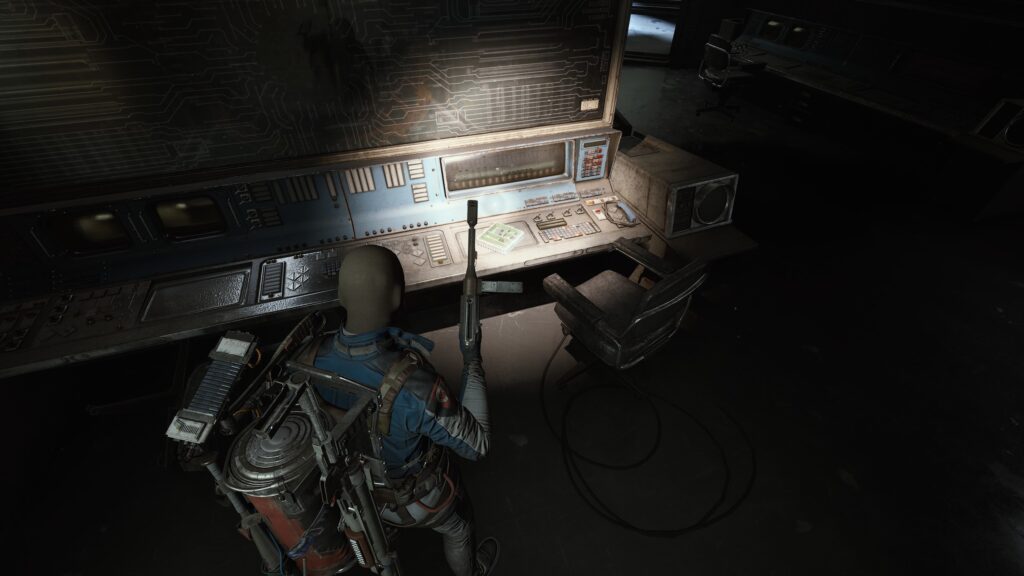
Improvement begins when process is examined independently of outcome.
Scaling Back to Restore Control
Adaptation often means doing less. Narrowing objectives, avoiding hotspots, and reducing engagement frequency restore clarity. Players who attempt to compensate for losses with aggression usually compound failure. Survivors scale back deliberately, rebuilding consistency before expanding risk again. Control is recovered through restraint.
Common Overcorrections After Losses
Certain reactions stall adaptation.
- Changing multiple behaviors at once
- Forcing high-risk plays to “reset momentum”
- Abandoning learned routes prematurely
- Blaming randomness instead of decisions
These responses trade clarity for urgency.
Why Small Adjustments Accumulate
Minor changes compound over time. Slightly earlier extractions, quieter movement, or shorter engagements shift outcomes gradually but reliably. Survivors value these incremental gains because they are repeatable. Adaptation works best when it is sustainable rather than dramatic.
Conclusion
Adapting playstyle after consecutive losses in Arc Raiders requires restraint, analysis, and patience. Players who adjust deliberately regain control and consistency, while those who react emotionally deepen failure. Survival improves when losses guide refinement instead of forcing reinvention.
Progress resumes when adaptation replaces repetition.