

Failed raids in Arc Raiders test emotional control as much as tactical skill. Loss arrives suddenly, often after extended effort, and the instinctive response is frustration. Tilting narrows attention, distorts judgment, and carries mistakes into the next run.
Survival improves when players treat failure as data rather than insult, preserving clarity instead of chasing emotional relief.
Why Tilt Feels Immediate After Loss
Failure triggers a sense of injustice. Time invested feels unrewarded, and the brain searches for blame to restore balance.
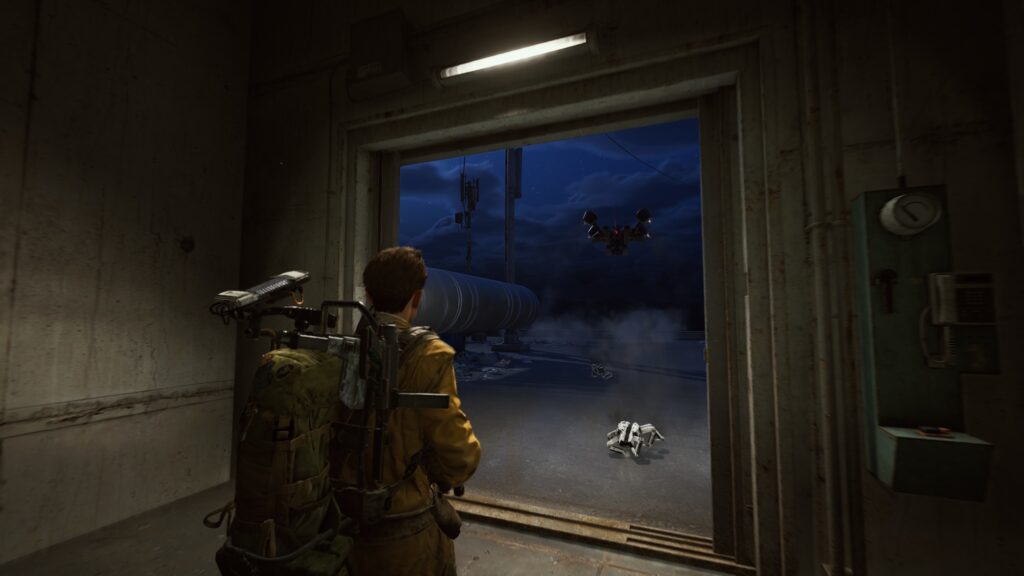
This emotional surge accelerates decision-making in the next raid, often increasing risk to “make it back.” Survivors recognize this response early and pause before re-entering pressure. Awareness of tilt is the first step toward neutralizing it.
Separating Emotion From Information
Tilt blurs useful feedback. Players remember the final moment vividly but miss the earlier decisions that led there.
Survivors slow reflection, identifying the first compromise rather than the last mistake. This separation turns loss into instruction. Information extracted calmly prevents repetition more reliably than emotional resolve.
Resetting Pace Before the Next Run
Immediate re-entry amplifies tilt. Players carry urgency into movement, skip checks, and overcommit early. Survivors reset pace intentionally—adjusting routes, simplifying goals, or delaying the next deployment. This reset restores discipline and prevents the emotional echo of failure from shaping new decisions.
Behaviors That Signal Tilt Taking Over
Certain patterns indicate loss of emotional control.
- Rushing objectives to “recover” losses
- Engaging unnecessary fights for validation
- Changing multiple variables at once
- Ignoring early warning cues
These behaviors prioritize relief over learning.
Why Composure Preserves Long-Term Progress
Composure keeps learning continuous. Players who process failure calmly retain awareness, refine judgment, and stabilize outcomes over time.
Survivors accept that progress includes loss without letting it dictate behavior. Emotional neutrality preserves consistency across raids.
Conclusion
Learning from failed raids without tilting in Arc Raiders requires emotional awareness and deliberate reset.
Players who treat loss as feedback rather than provocation adapt faster and survive longer. Progress resumes when clarity replaces frustration. In volatile systems, composure is the skill that protects all others.